How Big Is 1 Mole of Gas?

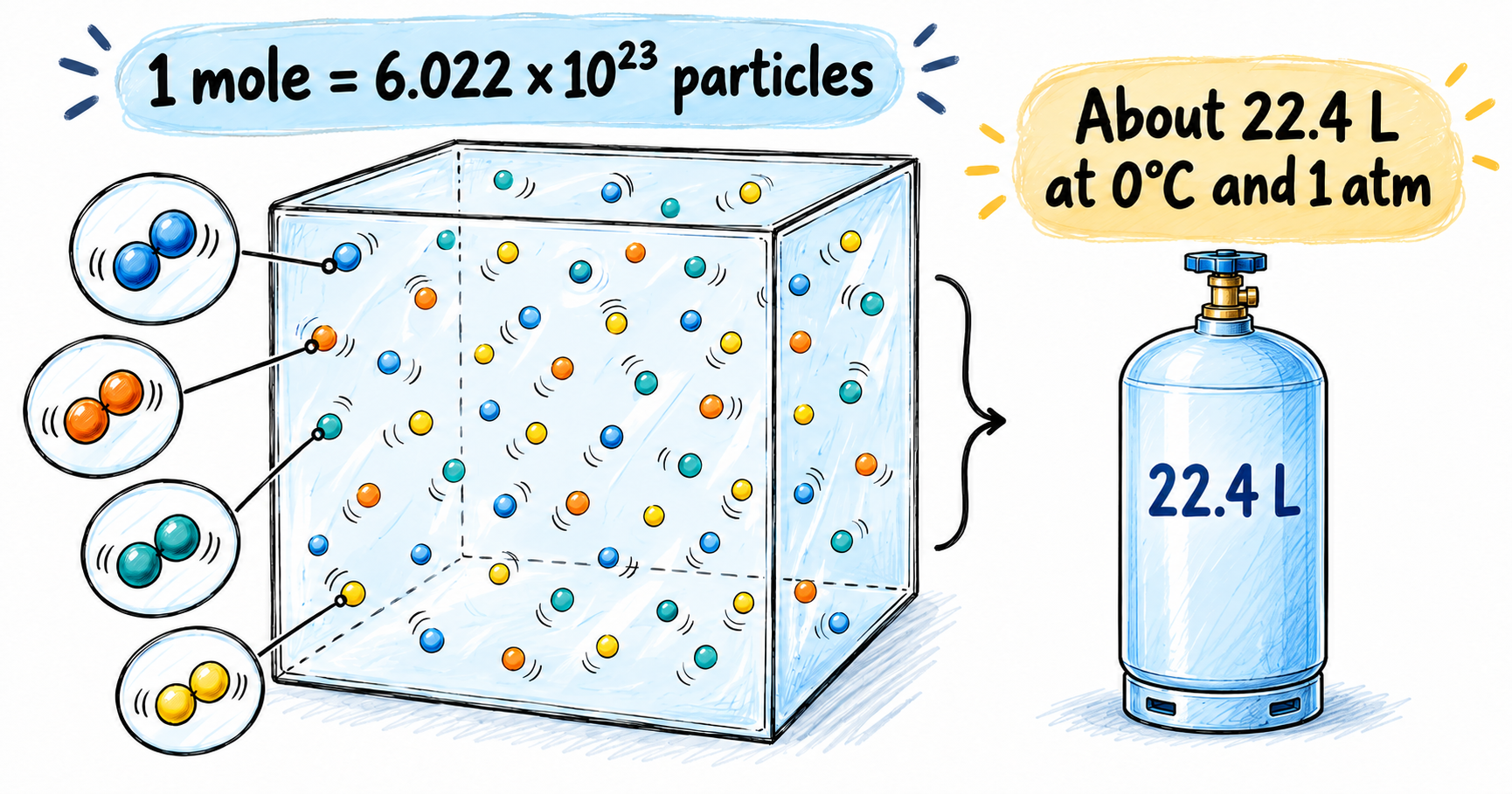
Hand-drawn diagram showing that one mole contains 6.022 × 10²³ particles and occupies about 22.4 litres as a gas at 0°C and 1 atm.

Imagine trying to count every oxygen molecule inside a balloon. You could not see the molecules, and there would be far too many to count one by one. Chemists solve this problem by using a special counting unit called the mole. A mole lets scientists connect the invisible world of atoms and molecules with amounts … Read more
Why Does Salt Melt Ice?

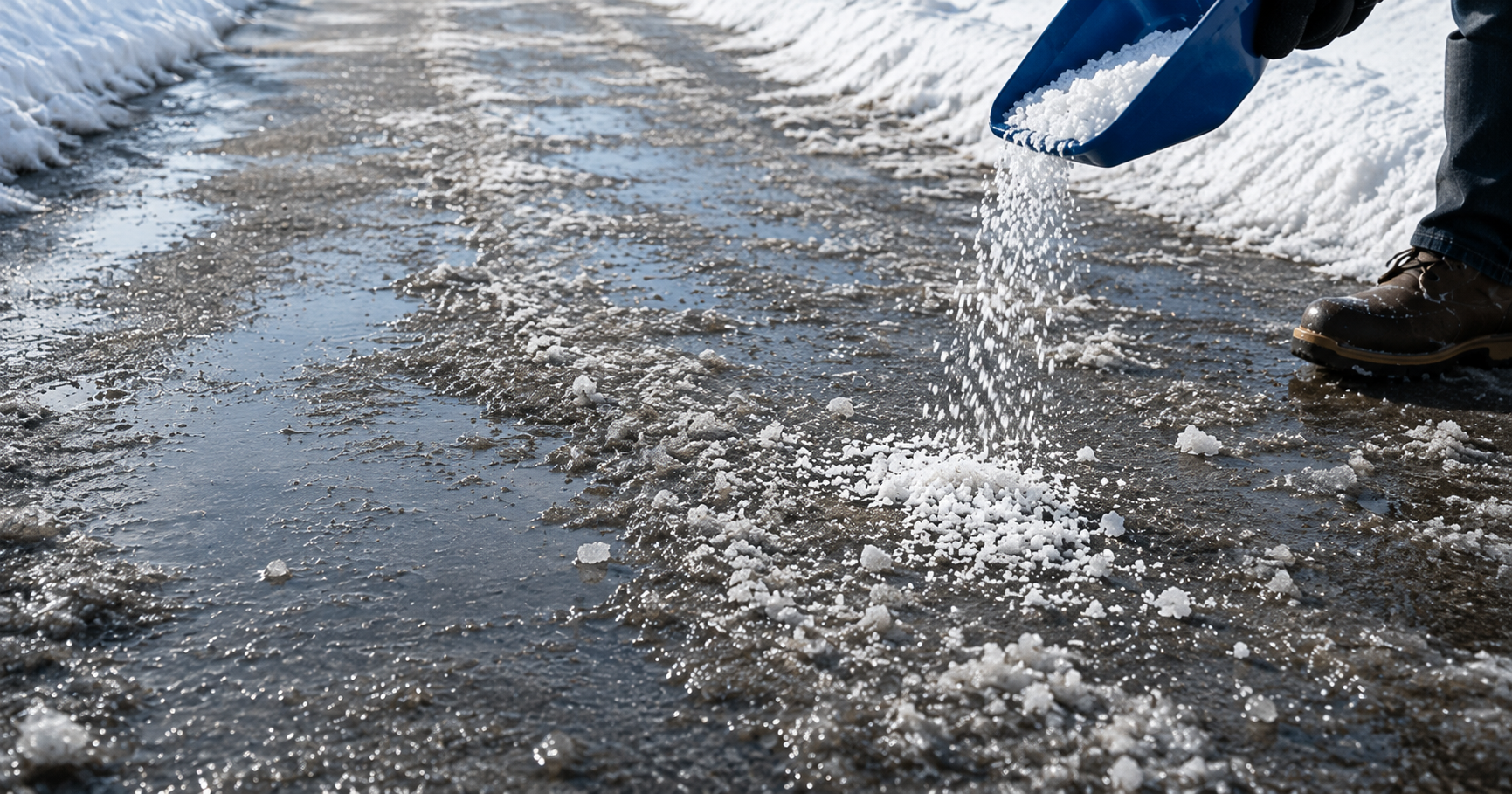
Salt being sprinkled onto a wet, slushy winter walkway after melting ice, illustrating how road salt helps reduce icy surfaces.

On a freezing winter morning, a road can look perfectly normal until you notice the shiny layer of ice covering it. That thin sheet can make driving and walking dangerous. To solve the problem, road crews often spread something surprisingly ordinary across the surface: salt. Before long, some of the hard ice becomes wet and … Read more

How Does Water Reaches at the Top of a Plant?

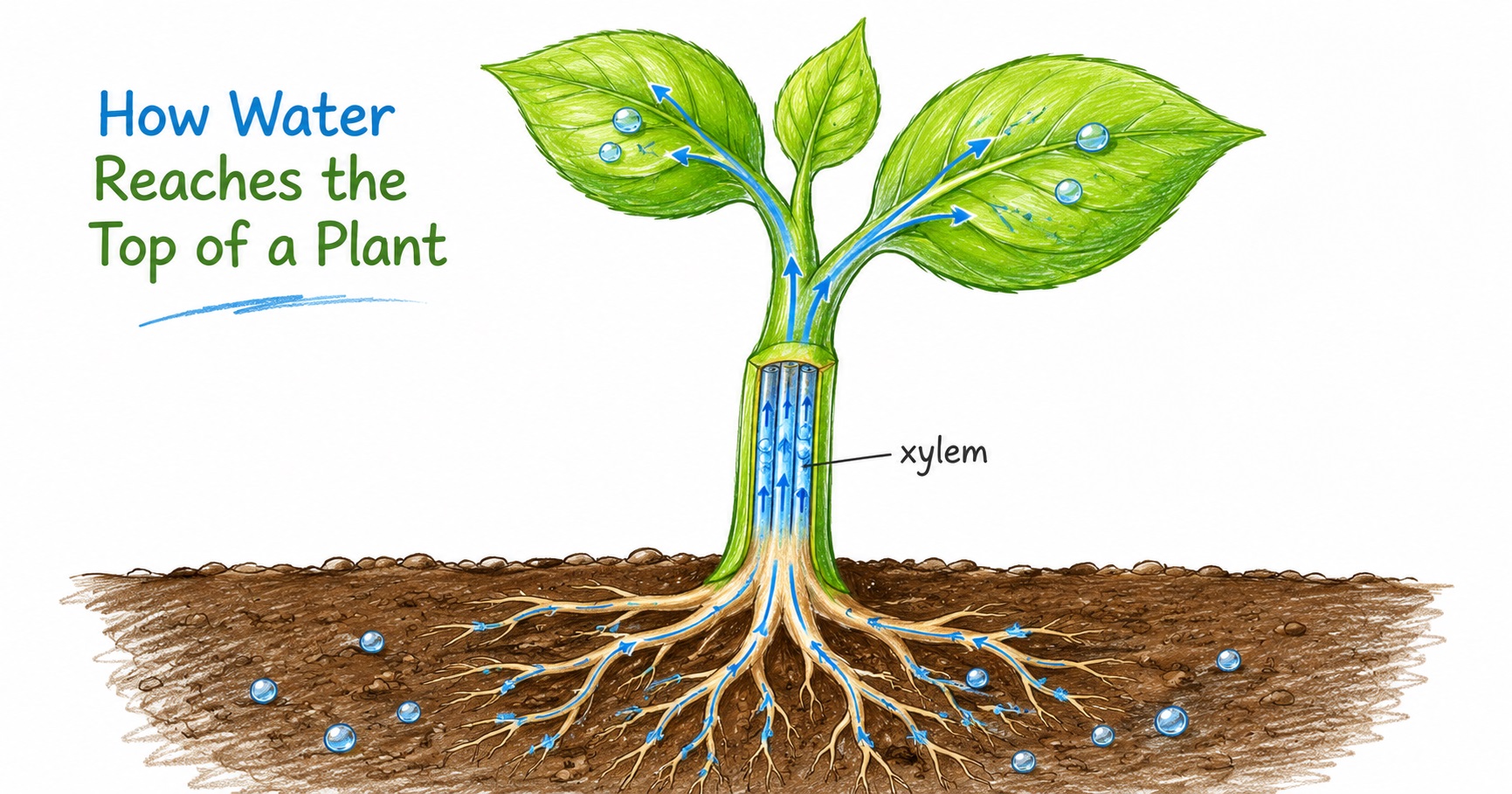
Hand-drawn educational illustration showing how water moves from soil through plant roots and upward through xylem tubes in the stem to reach the leaves, with blue arrows, water droplets, and a cutaway stem labeled “xylem.”

We see plants growing tall and turning into the trees. However in order for the plants to grow, one of the essential requirements is water. But have you ever wondered how water travels from the ground all the way up to the leaves at the top of a tall plant or a tree? Plants don’t … Read more

Why Do Some Metals Corrode While Others Stay Shiny

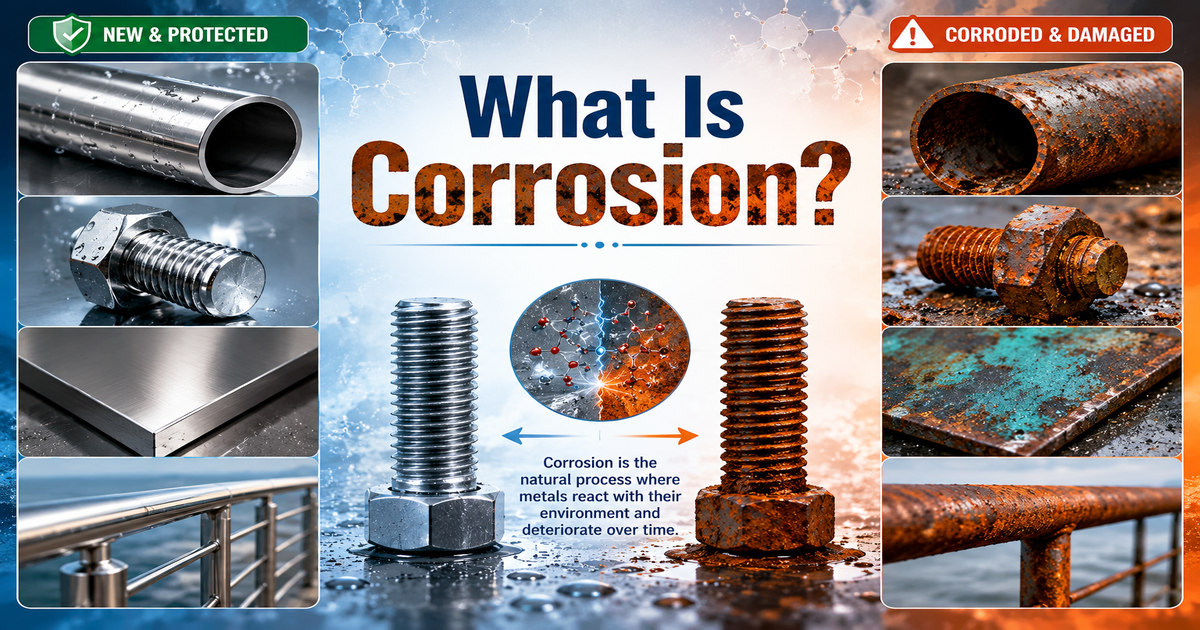
Educational infographic titled “What Is Corrosion?” showing a side-by-side comparison of clean, protected metal and rusted, corroded metal. The left side features shiny stainless steel pipes, bolts, metal sheets, and railings labeled “New & Protected,” while the right side displays heavily rusted pipes, bolts, metal plates, and railings labeled “Corroded & Damaged.” In the center, two large bolts compare new versus rusted metal, with a scientific corrosion illustration and a brief explanation describing corrosion as the natural process where metals react with their environment and deteriorate over time.

Have you ever seen an old bicycle with reddish-brown spots? Or maybe a rusty iron gate after heavy rain? That reddish material is called corrosion. Corrosion forms when certain metals react with air and water over time. Let’s explore why some metals corrode and why others do not! What Is Corrosion? Corrosion is the slow … Read more