
Hands-on STEM learning
STEM learning starts with curiosity.
Explore STEM through hands-on projects, science experiments, and creative activities for young learners. Connect science, technology, engineering, and mathematics as you build, test, and discover how things work.
STEM article library
Explore STEM projects and learning activities.
Find your next idea for STEM learning at home or in the classroom. Browse hands-on builds, science experiments, and activities that turn everyday questions into discoveries.
-
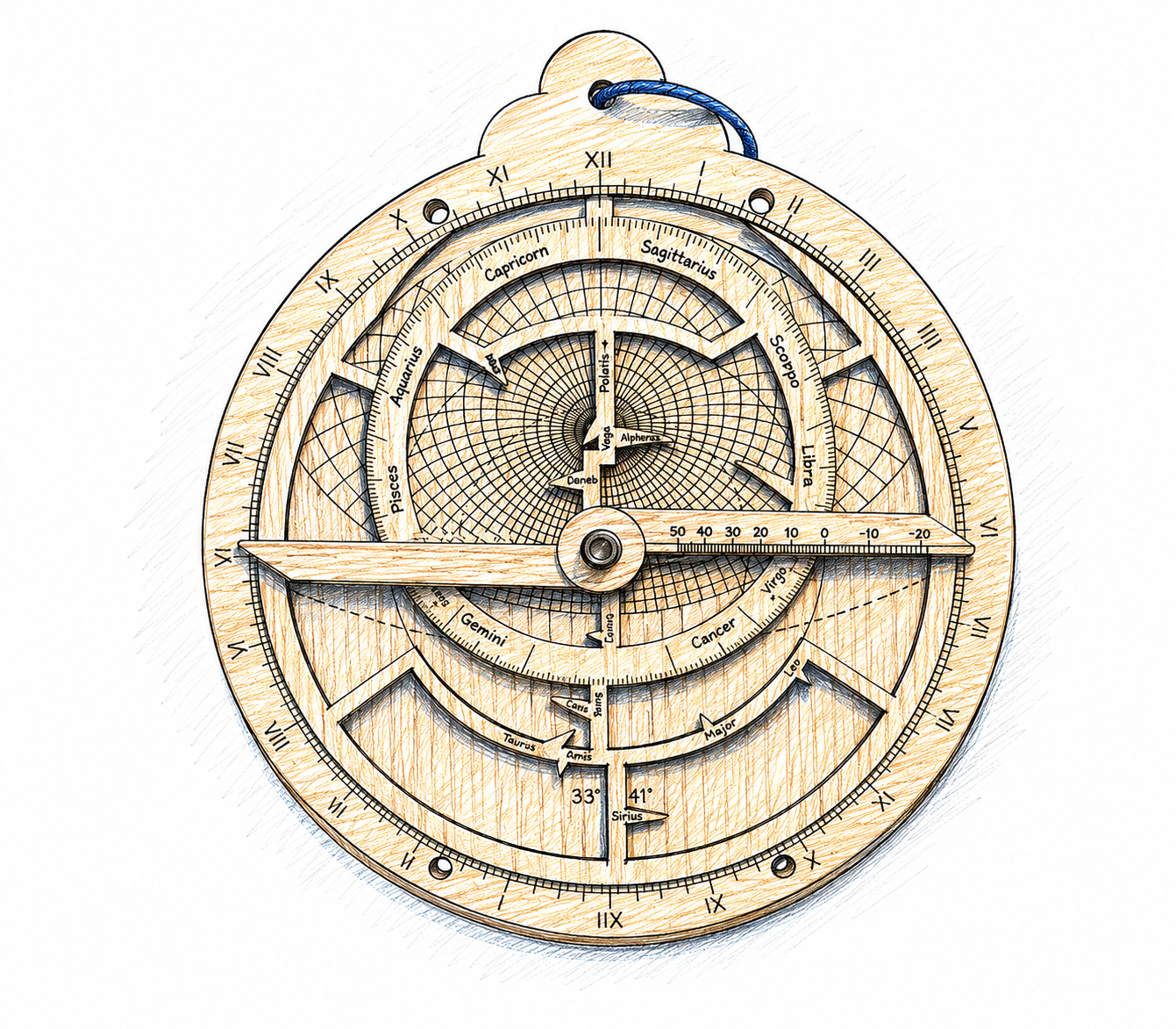
The astrolabe is one of the most remarkable scientific instruments from the ancient and medieval world. Before the invention of modern clocks, telescopes, satellites, and GPS systems, people used the astrolabe to study the sky, measure time, locate stars, and understand the movement of the Sun. It was not only a scientific tool but also…
-
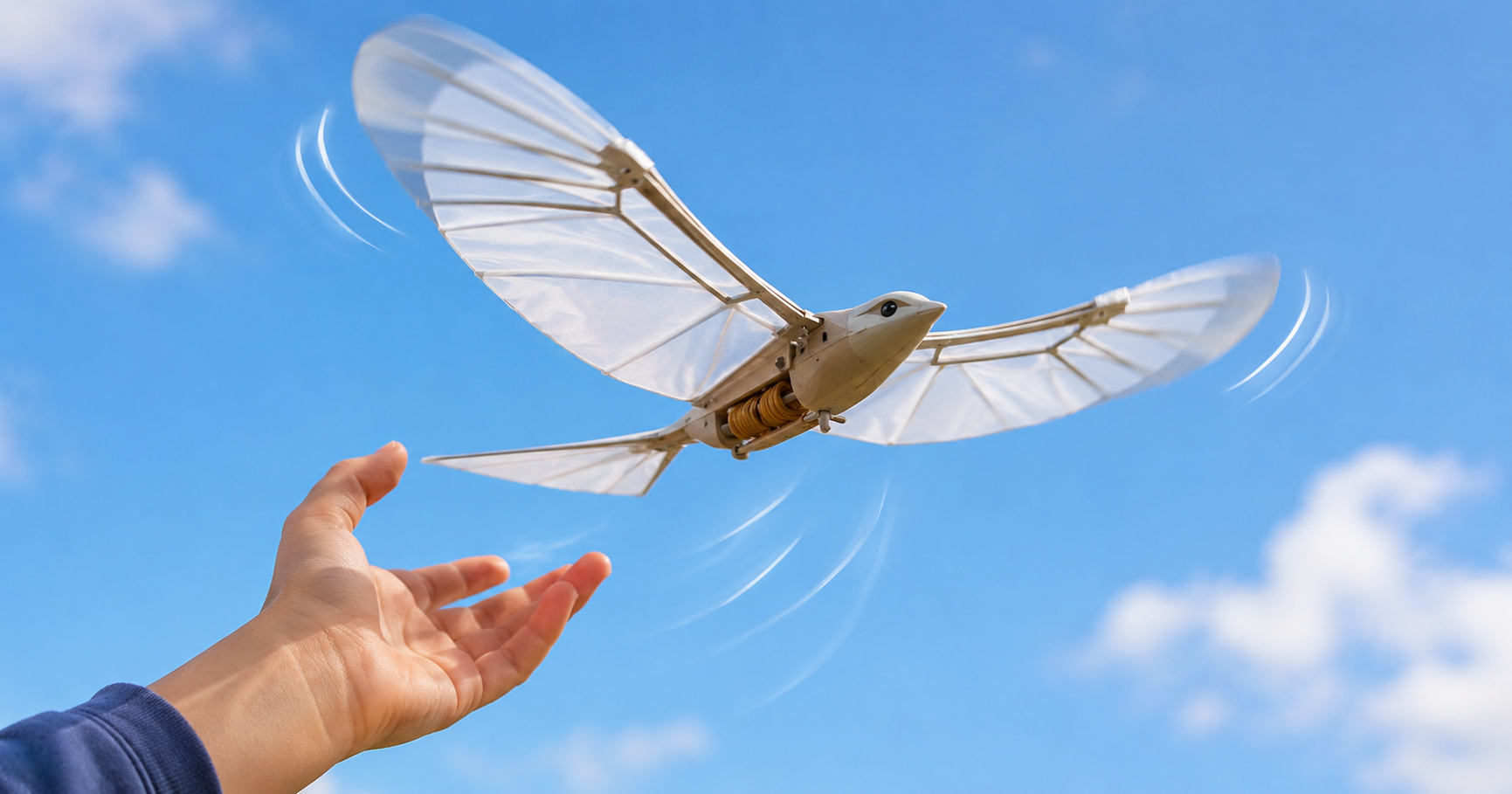
Have you ever watched a bird flap its wings and wondered how it stays in the air? Most airplanes fly with fixed wings and spinning propellers, but birds fly in a very different way. They flap their wings up and down to create lift and push themselves forward. An ornithopter is a flying machine that…
-
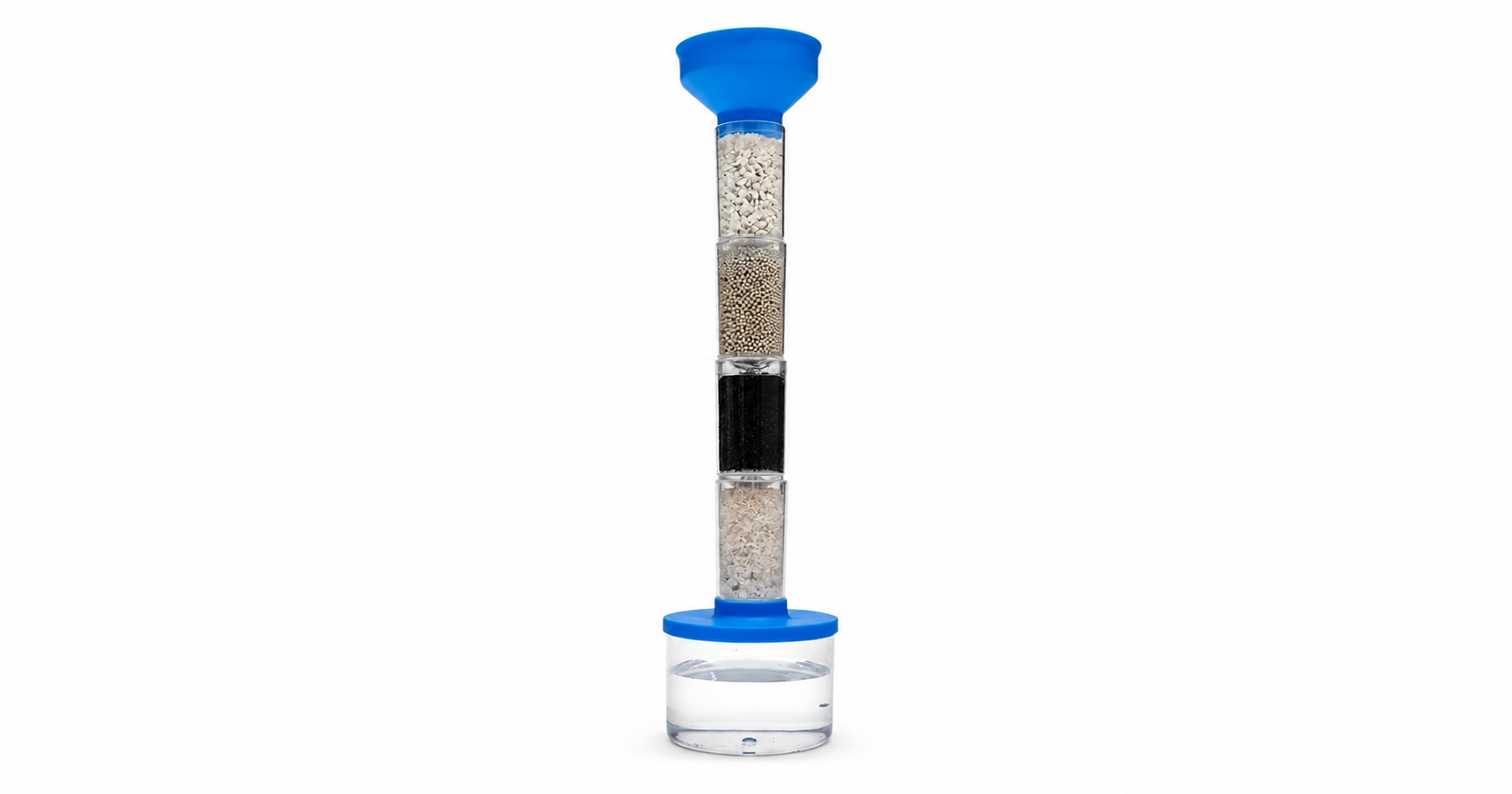
Water can contain suspended materials such as soil, dust, tiny pieces of leaves, sediment, colouring, and other particles. A water filtration DIY kit provides a hands-on way to investigate how several filtering materials work together to separate some of these substances from water. Instead of using a homemade bottle, the kit uses a transparent filtration…
-
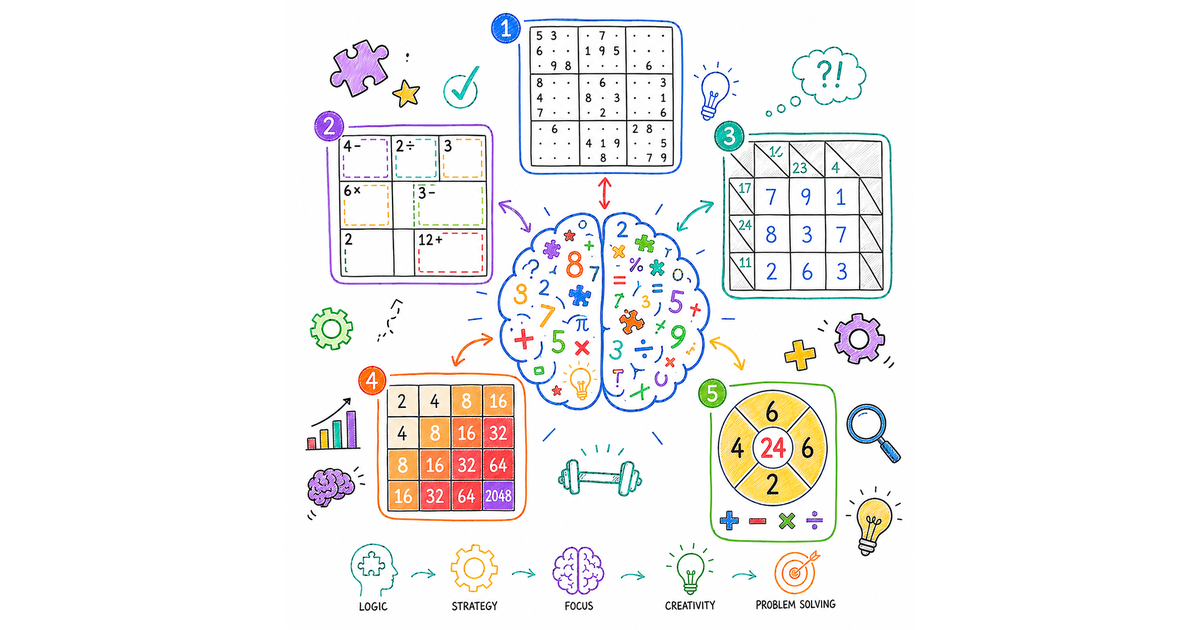
For decades, popular culture treated mathematics as a rigid discipline confined to school blackboards. However, the global rise of logic puzzles and mobile applications has shifted that perception entirely. Today, millions of people engage with complex mathematical logic daily without even realizing it. They do it simply because it is fun. Whether you want to…
-

Bio-energy is one of the most fascinating ways to produce energy using natural, renewable materials. In this article, we’ll learn how bio-energy works and how it generates small amounts of electricity using simple items like oranges. Let’s first understand the term Bio-Energy. What is Bio-Energy? Bio-energy is energy derived from organic materials such as plants,…
-
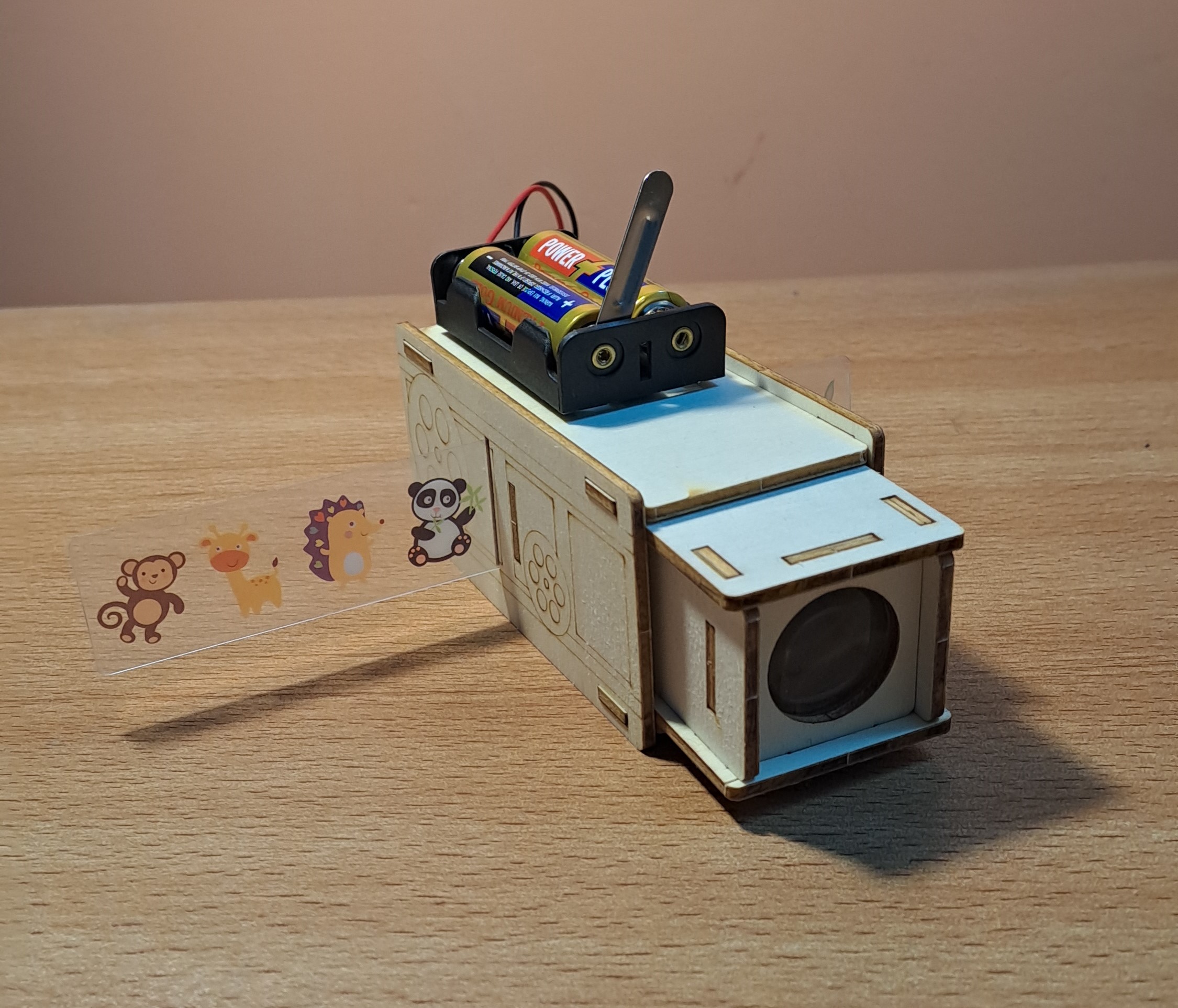
Science becomes truly exciting when learners can see ideas come to life with their own hands. Concepts like light, images, and lenses are often taught through diagrams or videos, but they make far more sense when students can build, test, and observe them directly. Hands-on science projects encourage curiosity, improve problem-solving skills, and help children…
-
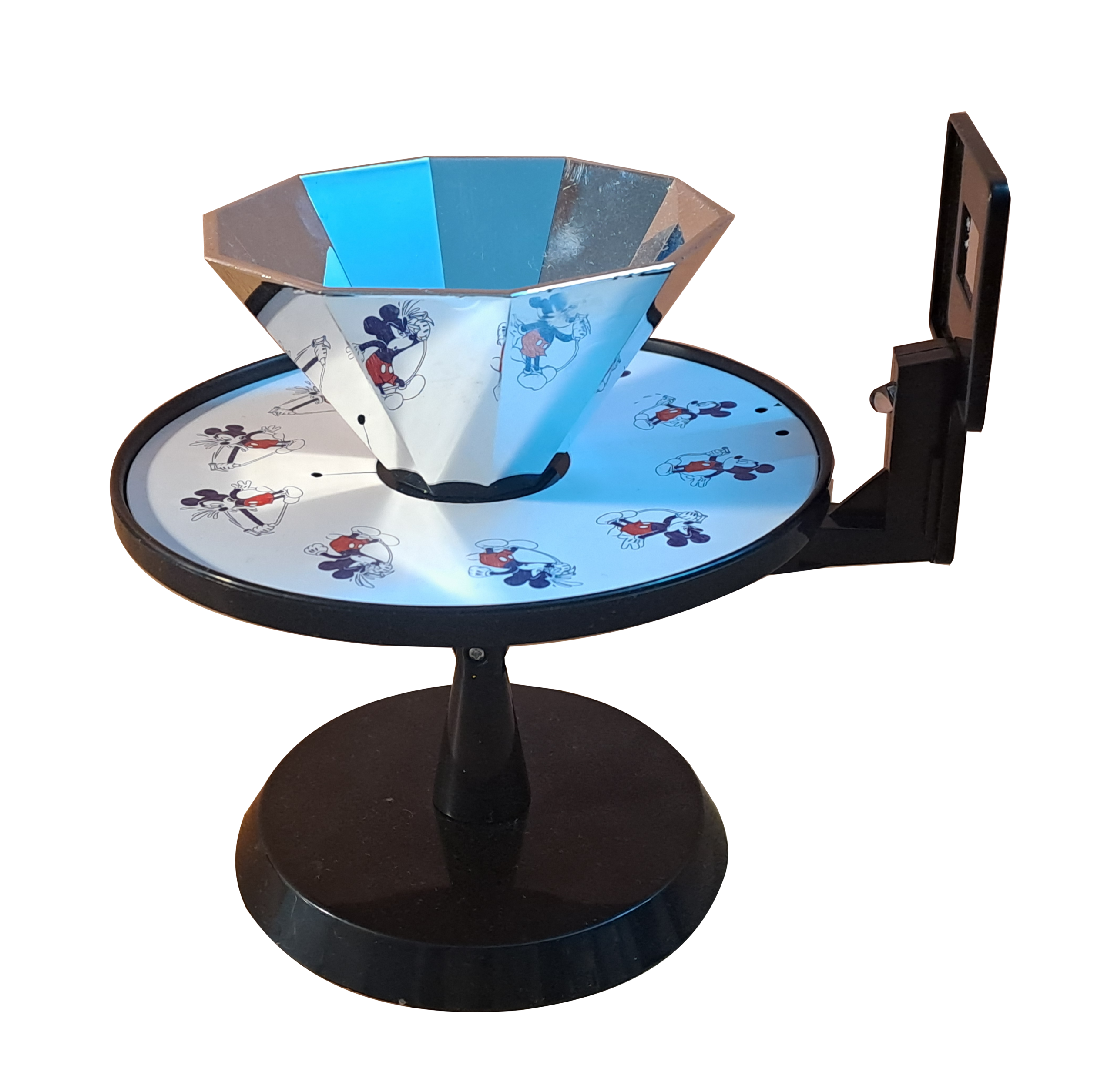
Have you ever wondered how cartoons were made before computers, tablets, and animation software? Long before modern movies and digital cartoons, scientists and inventors used clever optical devices to make pictures appear to move. One of the most fascinating of these inventions is the praxinoscope. What Is a Praxinoscope? A praxinoscope is an early animation…
-
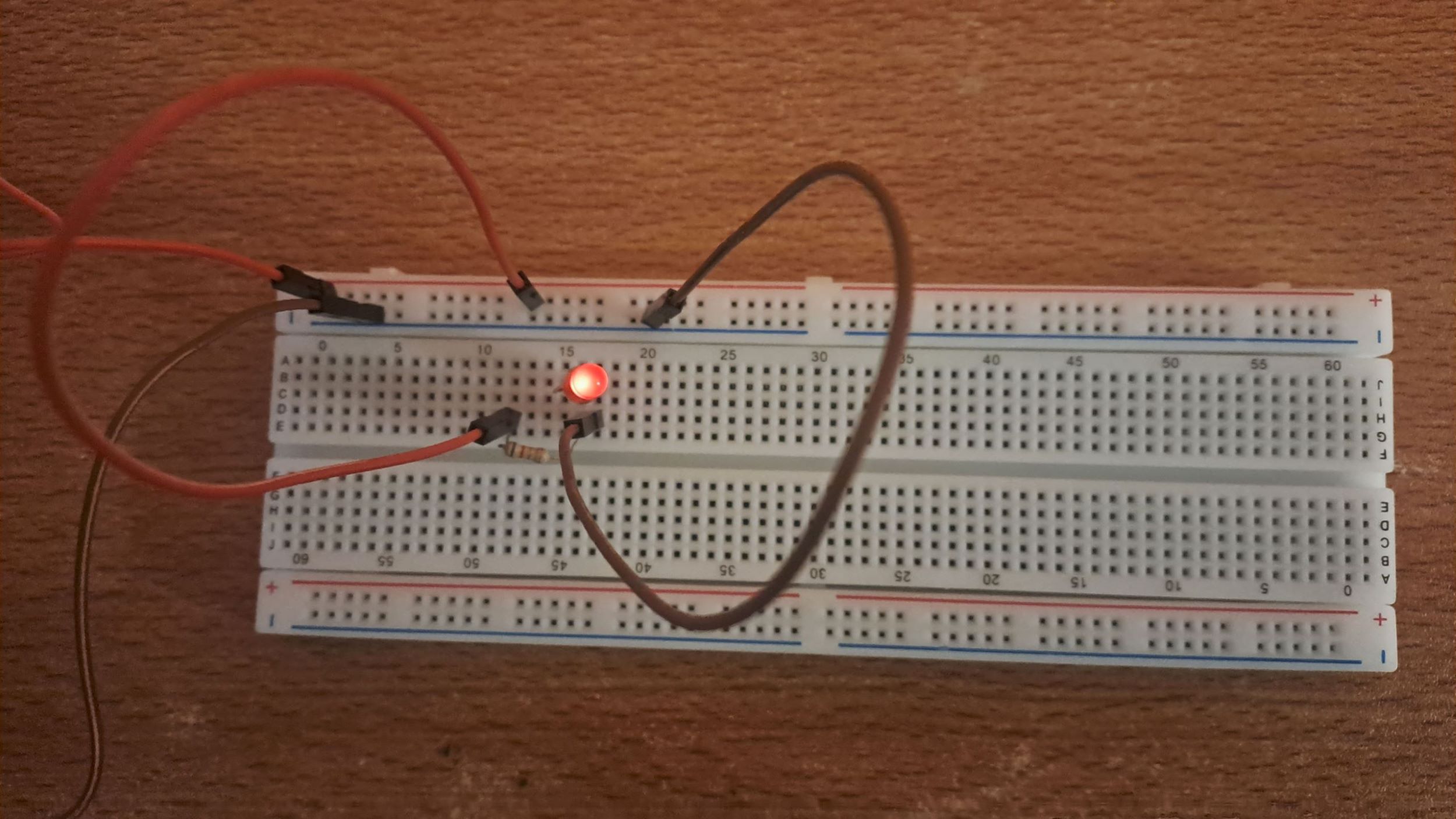
If you’ve ever wanted to build your own electronic circuits—without soldering or ruining components—then a breadboard is the best choice. Simple, reusable, and surprisingly powerful, breadboards make learning electronics fun and hands-on. Let’s explore the breadboard basics, and why every beginner should start with one. What Is a Breadboard? A breadboard is a plastic board…
-
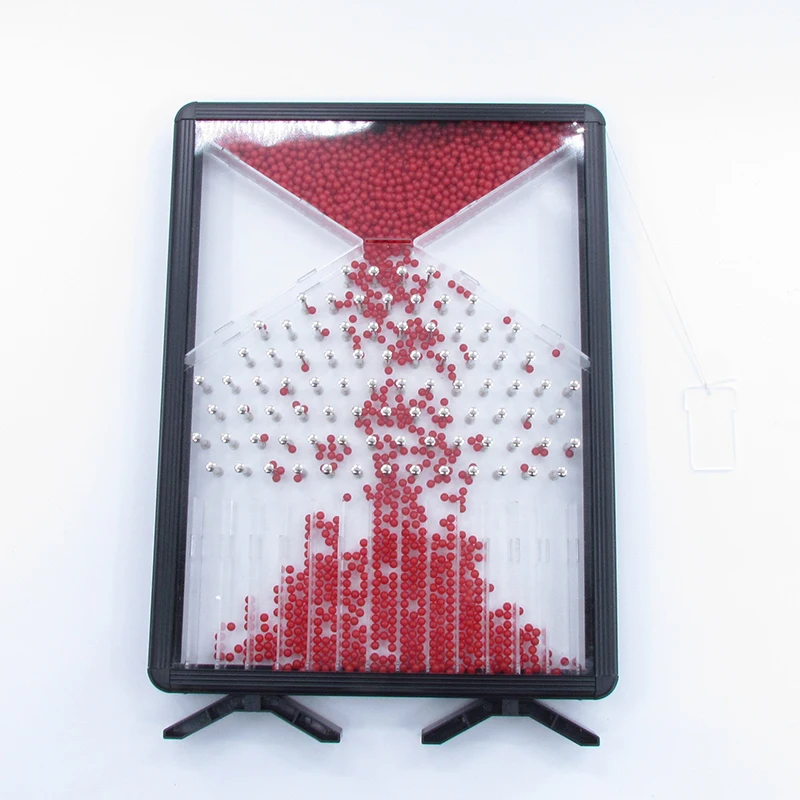
Have you ever seen tiny balls falling through a triangle of pegs and collecting in bins at the bottom, forming a perfect bell-shaped curve? That fascinating device is called a Galton Board — also known as a Quincunx or Bean Machine. Invented by Sir Francis Galton in the 19th century, this clever machine offers a…
A little preparation
Ready, set, explore.
Read the project first to check which materials or kit it uses. Ask an adult to help with tools, small parts, or electrical components.
- Choose your idea. Follow your curiosity.
- Gather your materials. Check the guide before you begin.
- Test and talk about it. What changed? What did you notice?