

STEM learning for curious minds
STEM learning through science articles, interactive tools, and hands-on fun.
Genius Littles helps young learners build STEM skills with simple science explanations, interactive widgets, and DIY projects they can actually try.
Choose a learning path
One site, three ways to discover STEM learning.
Learners can read, experiment, or build as they explore STEM topics in a simple, visual way.
Science Learning
Clear explanations for topics like mechanics, optics, sound, electricity, chemistry, and fluids.
Browse science topicsInteractive Tools
Visual widgets and calculators that help learners test ideas, change values, and see what happens.
Try a toolDIY Fun
Hands-on science projects that make abstract ideas feel real, memorable, and exciting.
Start a projectLatest STEM learning picks
Fresh STEM lessons for young learners.
The newest published STEM articles update automatically without turning the homepage into a long blog archive.
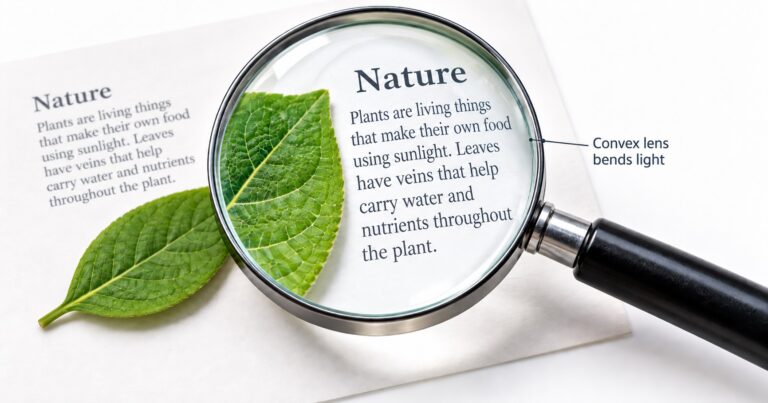
How Does a Magnifying Glass Magnify an Image?
A magnifying glass looks like a very simple object: just a curved piece of transparent glass or plastic...
Read
Why Does Salt Melt Ice?
On a freezing winter morning, a road can look perfectly normal until you notice the shiny layer of...
Read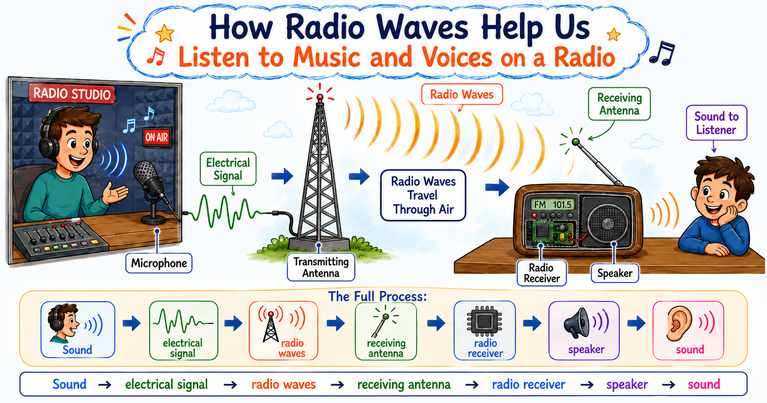
How Does a Radio Receive Music and Voices? How Radio Waves Carry Sound
Have you ever turned on a radio and wondered how music, news, or someone’s voice can suddenly come...
ReadPopular topics
Jump into a science subject.
For parents and teachers
Made to make STEM learning feel less difficult and more discoverable.
Use Genius Littles as a friendly starting point for classroom STEM discussion, home learning, or weekend science exploration.
- Short explanations for young learners.
- Visual examples that support understanding.
- Interactive tools for active exploration.
- DIY projects that invite creativity.