Why we see different colors of things?

A blue vintage-style bicycle leaning against a large tree in a sunlit park, with a wicker basket on the front filled with colorful fruits like apples, oranges, grapes, and bananas, surrounded by green grass and lush

You might have wondered why leaves are green, apples are red, crows are black. In short, why different objects have different colors? The colors we see are the result of light, objects, and our eyes working together. When white light (such as sunlight) hits the surface of an object, then depending upon the nature of … Read more
Why Do we use 3D Glasses for watching movies ?

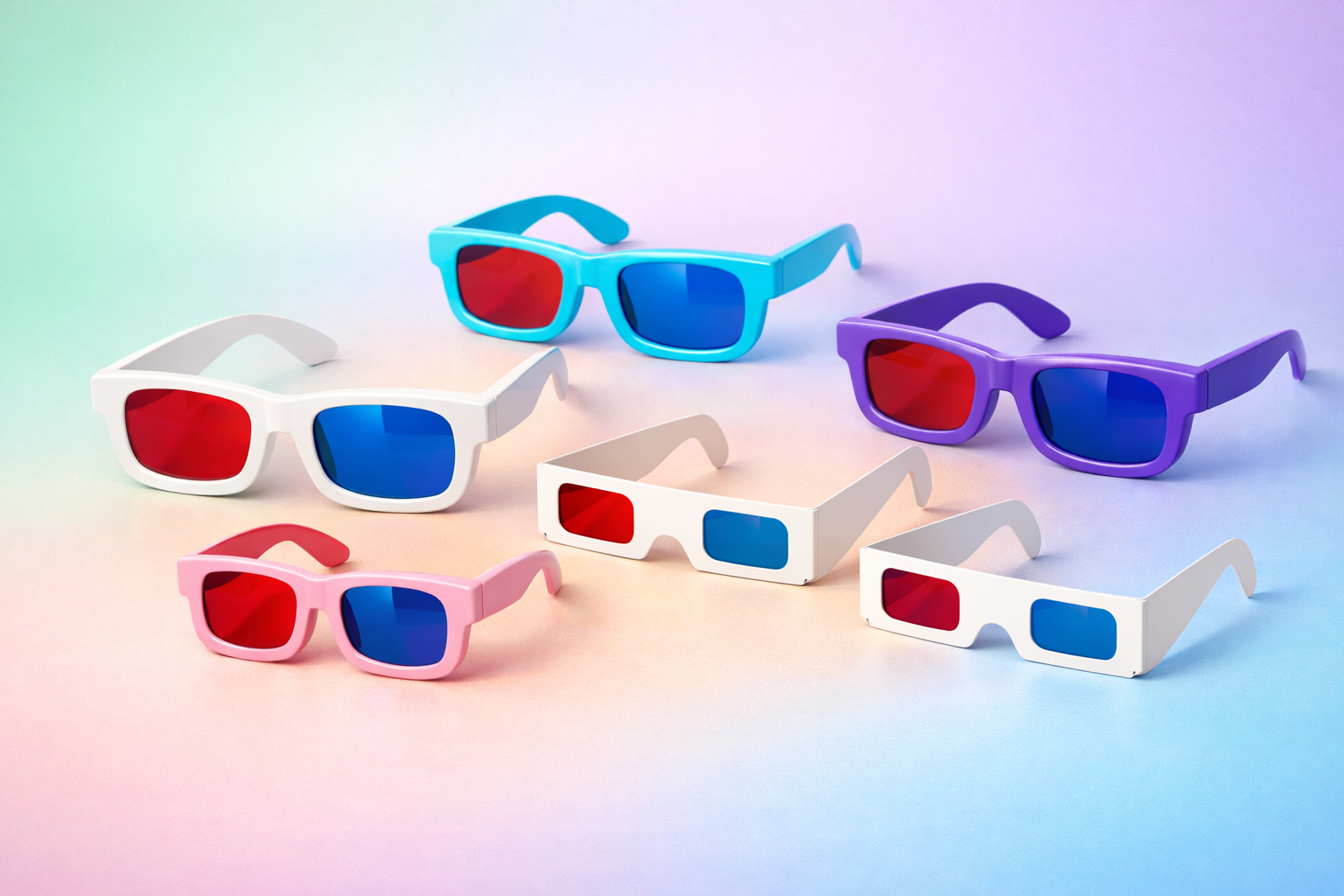
The picture showing 3D glasses of different sizes, shapres and color.

Have you ever watched a movie where objects seem to jump out of the screen or feel as if they are far away in the background? This exciting visual effect is made possible by 3D glasses. These special glasses help our brains see images in three dimensions, making movies more immersive and realistic—just like real … Read more

How Do Mirrors Form Images? The Science Behind Reflections

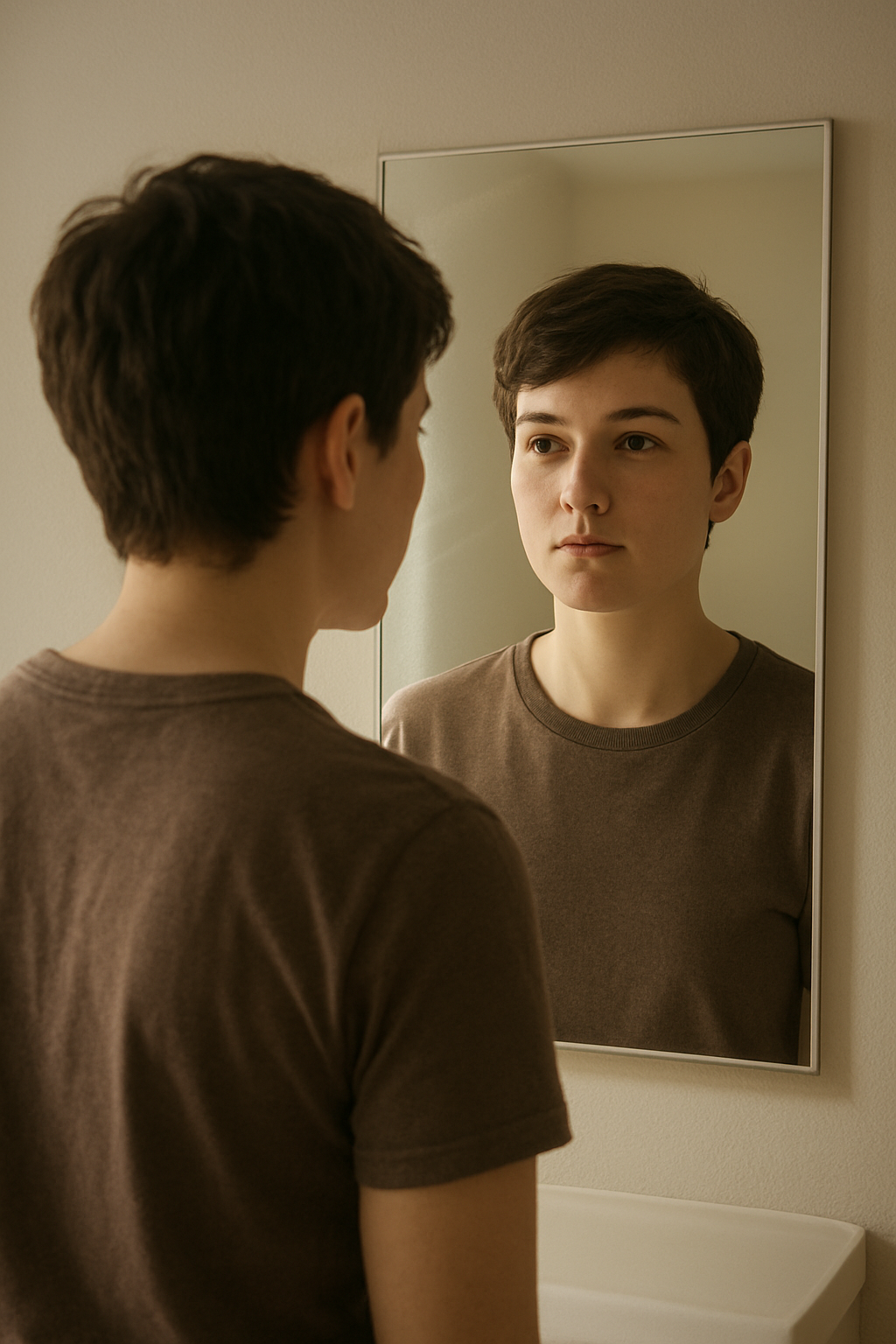
A boy is looking into the mirror seeing himself.

Have you ever wondered how a mirror shows your exact face every morning? Mirrors seem magical, but they actually work through fascinating science involving materials and light behavior. Let’s explore how mirrors form images, what they are made of, and the optical principles that make reflections possible. The Science of Reflection When light hits any … Read more

Optical Lenses: Different Types, Uses, and Practical Applications

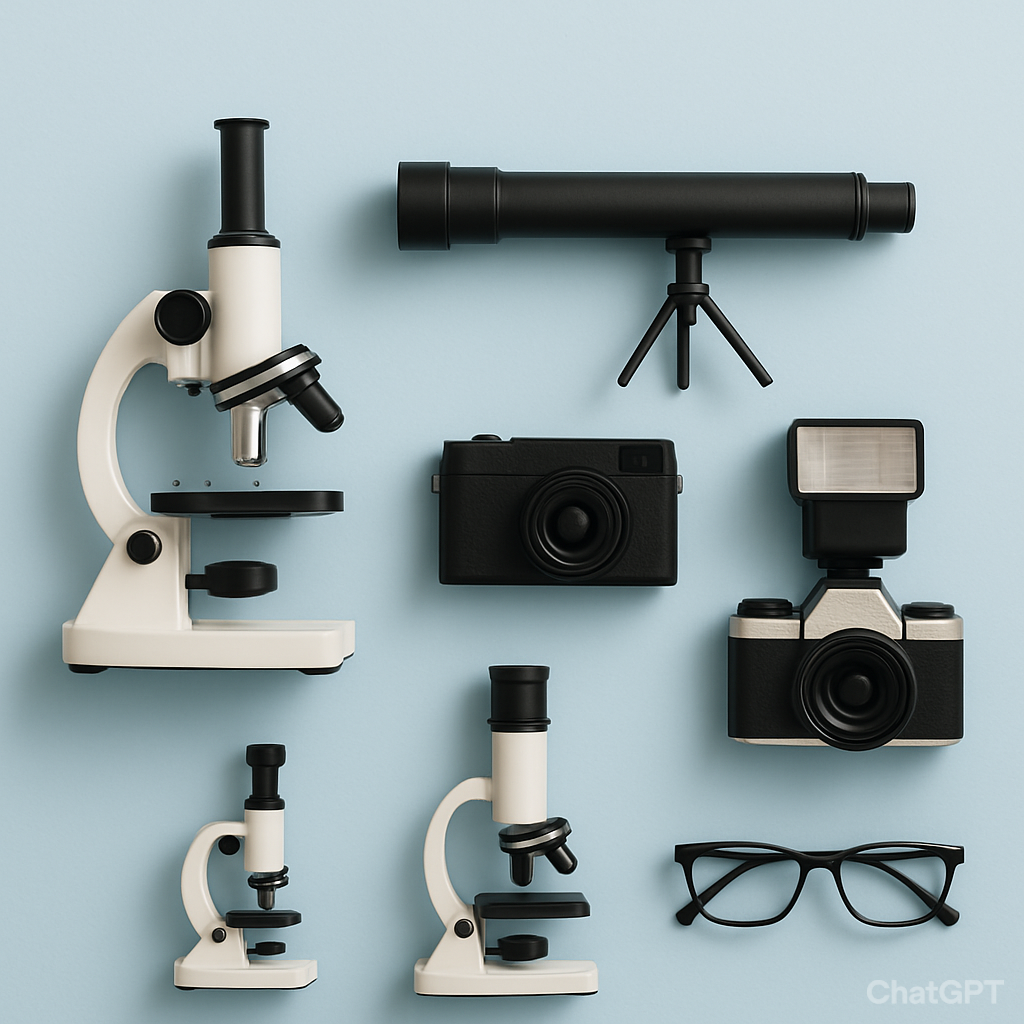
A minimalist flat-lay composition showing a variety of microscopes, telescopes, digital cameras, flash cameras, and eyeglasses neatly arranged on a soft pastel blue background.

Do you know what do cameras, eye glasses, telescopes and microscopes have in common? The object at the core of these devices is an optical lens. A lens is a transparent object and light is refracted when it passes through the lens. Lens is used in many optical instruments such as cameras, microscope, telescope, optical … Read more

How Binocular Works: Principles, Features, and Real-Life Applications Explained

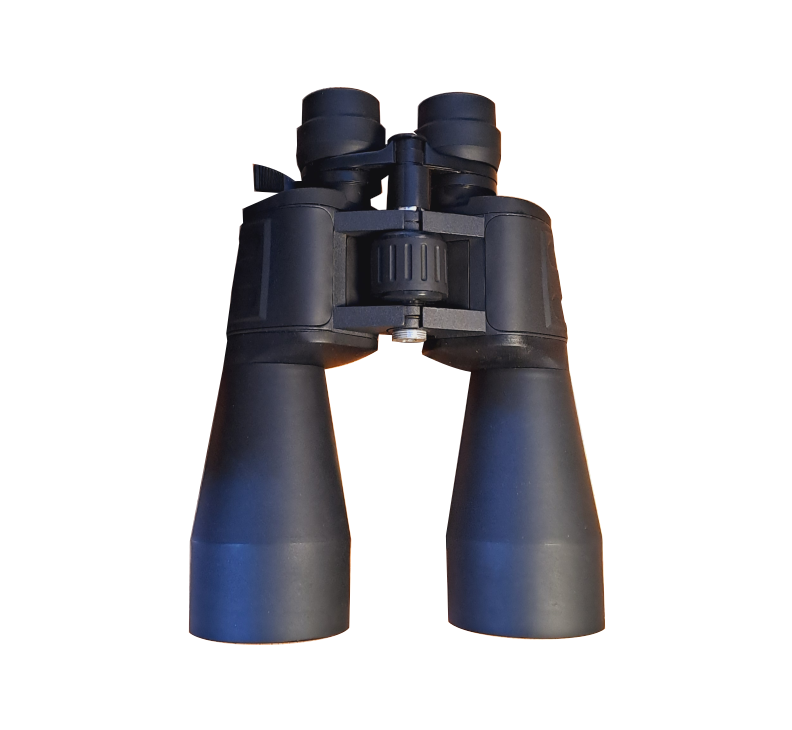
Binocular

Binoculars are interesting devices that helps us in viewing distant objects with some level of magnification. It can be used for many things such as sporting events, star gazing, bird watching along with many different natural views.  How it works? The below diagram shows the construction of a typical binocular: In order to understand the … Read more

Why we don’t see air?

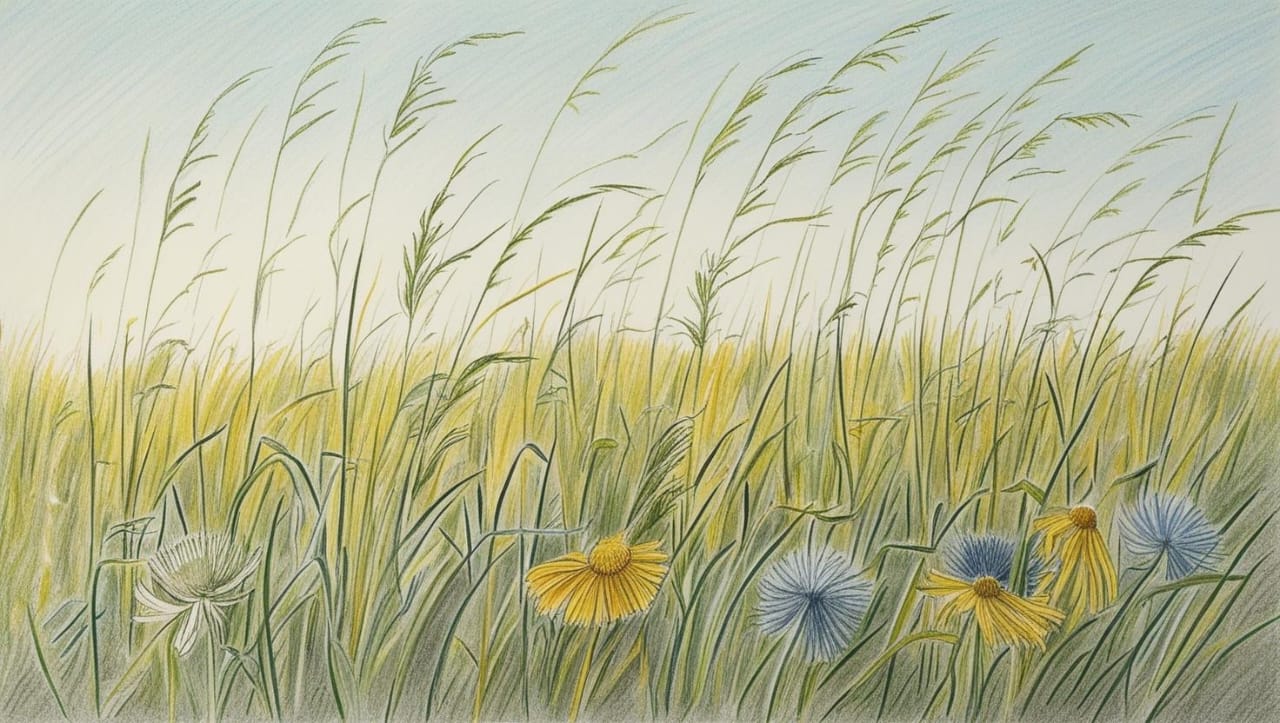
Plants are bending on the right side due to movement of the air in that direction.

Air is certainly the most important thing in our life. In fact that’s what keeps us alive. With air, we maintain certain pressure in the tires of our vehicles to keep ourselves moving. We fill our birthday balloons with air. We fly airplanes in air using aerodynamic principles. It helps us burning various fuels for … Read more

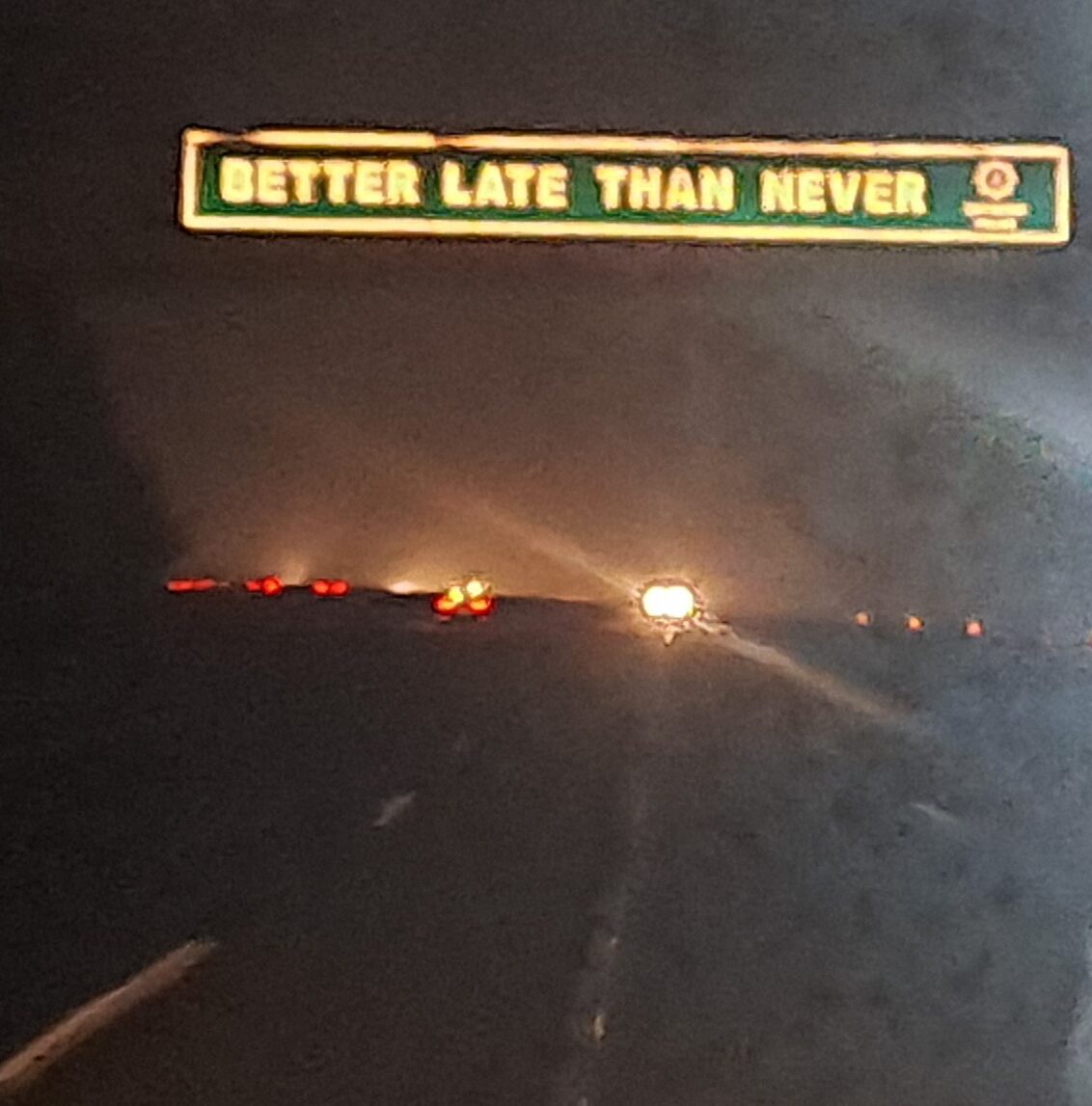
Why do sign boards on highway glow during night?

While travelling on highways during night, one thing you might have noticed that the signboards along the highways are almost always visible. Moreover they appear to glow as your vehicle approaches the signboards. Have you wondered what might have caused these signboards to glow during night? Surely there is some kind of reflection of light … Read more

Periscope: Unveiling the Science Behind How It Works

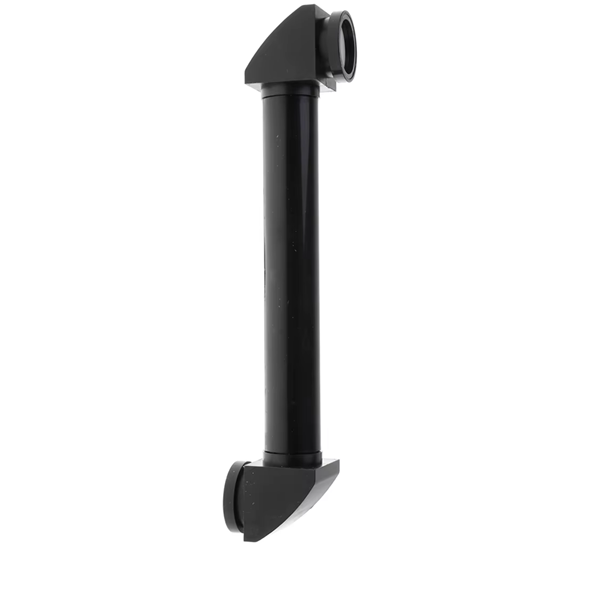
Picture of Periscope

What is Periscope? A periscope is an optical instrument which is used to see objects that are not in the direct line of sight of observer. It is commonly used in such areas or places where the viewer is hidden or protected such as in submarines to observe surface above water. Working Principle Periscope works … Read more