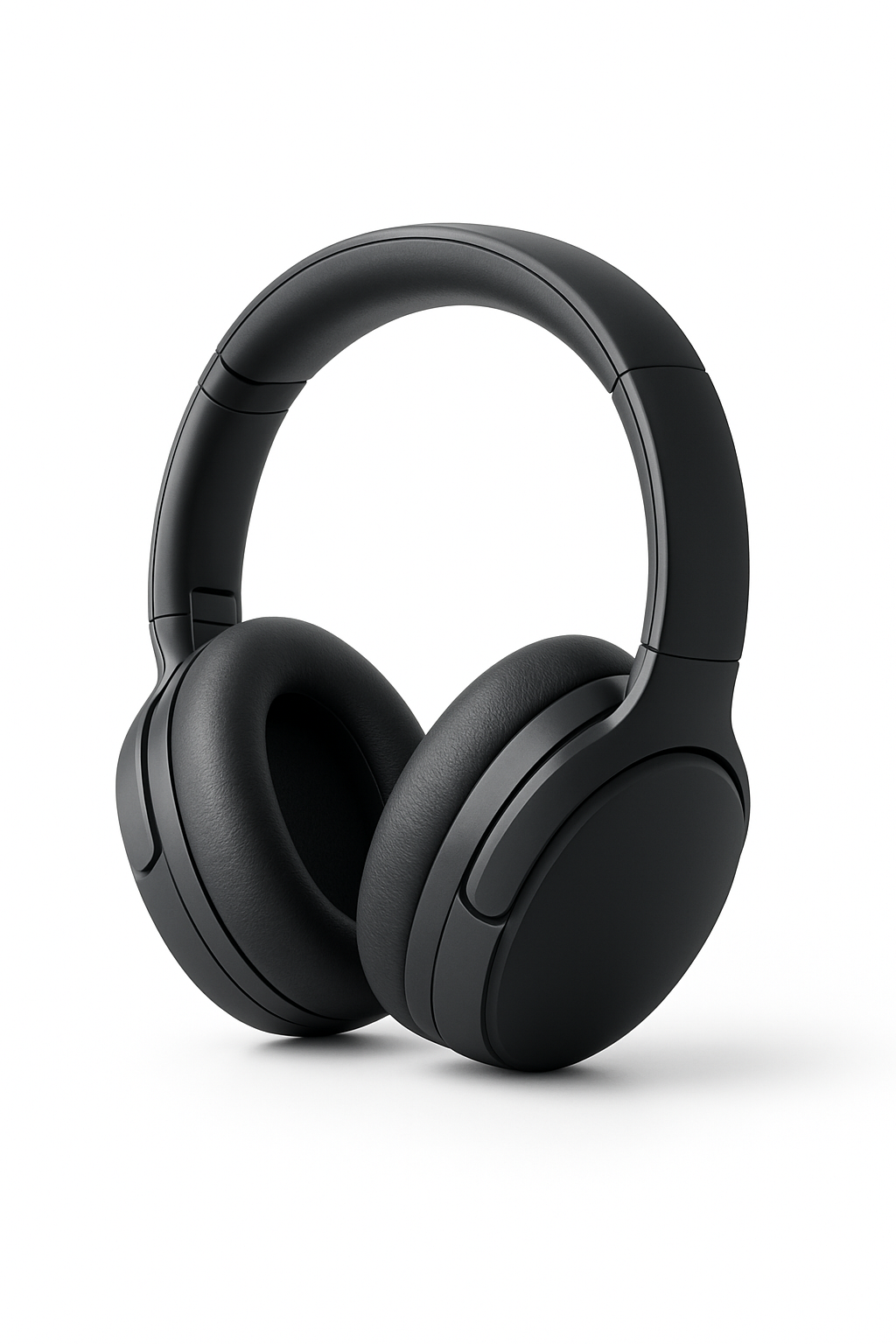
In a world filled with constant noise—traffic, office chatter, and everyday hustle—noise-cancelling headphones have become one of the most popular gadgets for work, travel, and relaxation. But how do these magical devices block out unwanted sounds? The answer lies in clever engineering and fascinating physics.
Before we delve straight into the answer, lets first look at the basics of sound.
Understanding Sound
To understand noise cancelling headphones, we first need to understand what sound is. Sound travels as waves—vibrations that move through the air. These waves have:
- Amplitude (loudness)
- Frequency (pitch)
When these waves reach our ears, the brain interprets them as sound. To know more about sound waves, refer to this article: What are sound waves are how are they formed?
How noise cancellation works?
Now, if we could somehow create another sound wave that cancels out an unwanted noise, we could reduce what we hear. That’s exactly what noise-cancelling headphones do.
High quality noise cancelling headphones uses following two main methods:
1. Passives Noise Isolation
This is the most common and simple method of reducing unwanted noise.
Headphone is designed in such a that it blocks unwanted noise. This is achieved using of following things:
- Thick ear cushions
- Over-ear seals
- Tight fit to prevent sound leakage
This method works best for high-frequency sounds like typing or voices.
2. Active Noise Cancellation
Active Noise Cancellation methods uses electronics and microphones to remove noise, especially low, steady sounds like:
- Airplane engine hum
- Air Conditioners
- Road Noise
Active Noise Cancellation is the main method which helps to significantly reduce the unwanted noise
Following is the step by step working of Active Noise Cancellation method
Step 1: Microphones Listen to External Noise
Noise-cancelling headphones have built-in microphones on the outside (and sometimes inside) the earcups. These microphones capture ambient sound in real time.
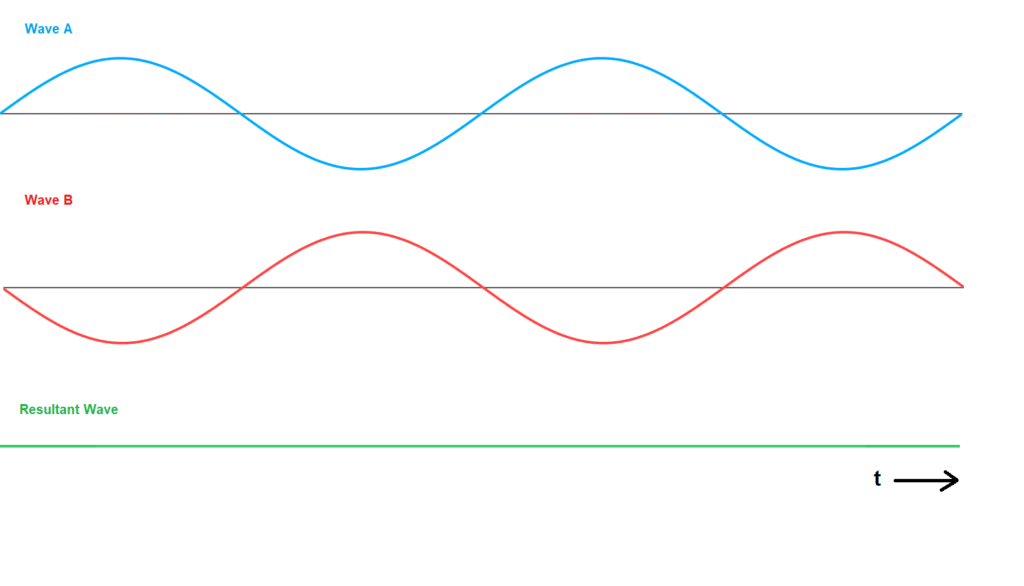
Step 2: The Headphones Generate an “Opposite” Sound Wave
Inside the headphones, a tiny computer chip analyzes the incoming noise and instantly creates a sound wave that is the exact opposite.
This process is based on a physics phenomenon called destructive interference.
Step 3: Opposite Waves Cancel Each Other Out
When the noise wave and the generated wave meet, they cancel each other out as a result of destructive interference.
Step 4: You Hear Only the Music
Because most of the unwanted sound is neutralized, your music or audio becomes clearer, smoother, and easier to hear—even at lower volumes.
Why ANC Works Best for Low-Frequency Sounds?
Active noise cancellation is most effective against steady, predictable low-frequency noise such as:
- Engine rumble
- Background droning
- Train vibration
These sounds are easy for the microphones and processors to predict and cancel.
High-frequency and sudden sounds—like clapping, people talking, or barking—are harder to eliminate because they change too quickly.
Where Are Noise-Cancelling Headphones Most Useful?
They are essential for anyone who wants to focus or escape the noise around them.
- Airplane travel
- Busy offices
- Public transport
- Studying in noisy environments
- Meditation and relaxation
Are you interested to buy your own noise-cancelling headphone? Click here: https://s.click.aliexpress.com/e/_c3mapcCd