Praxinoscope: The Science Behind Early Cartoon Making
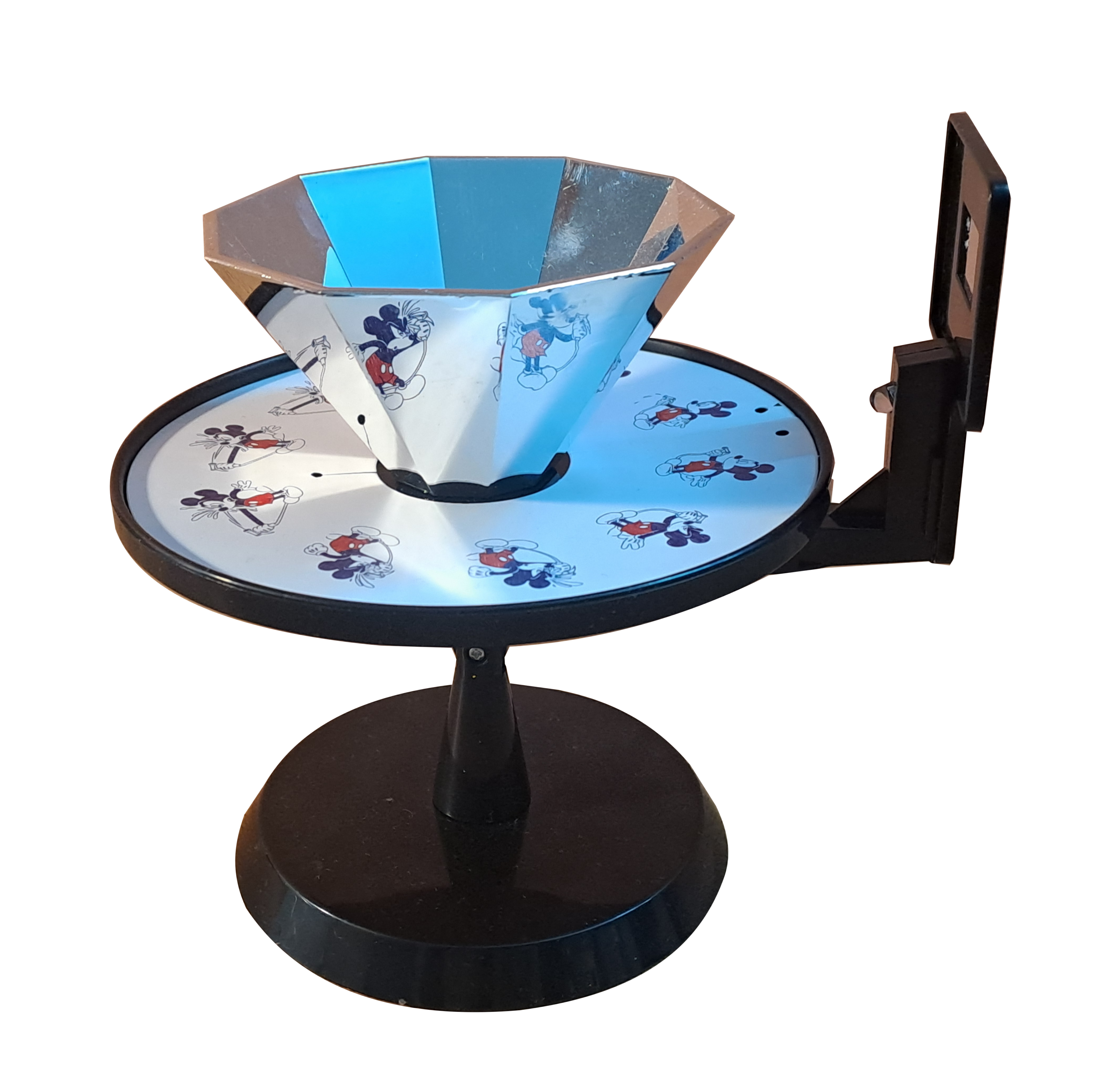
Praxinoscope prototype against white background

Have you ever wondered how cartoons were made before computers, tablets, and animation software? Long before modern movies and digital cartoons, scientists and inventors used clever optical devices to make pictures appear to move. One of the most fascinating of these inventions is the praxinoscope. What Is a Praxinoscope? A praxinoscope is an early animation … Read more
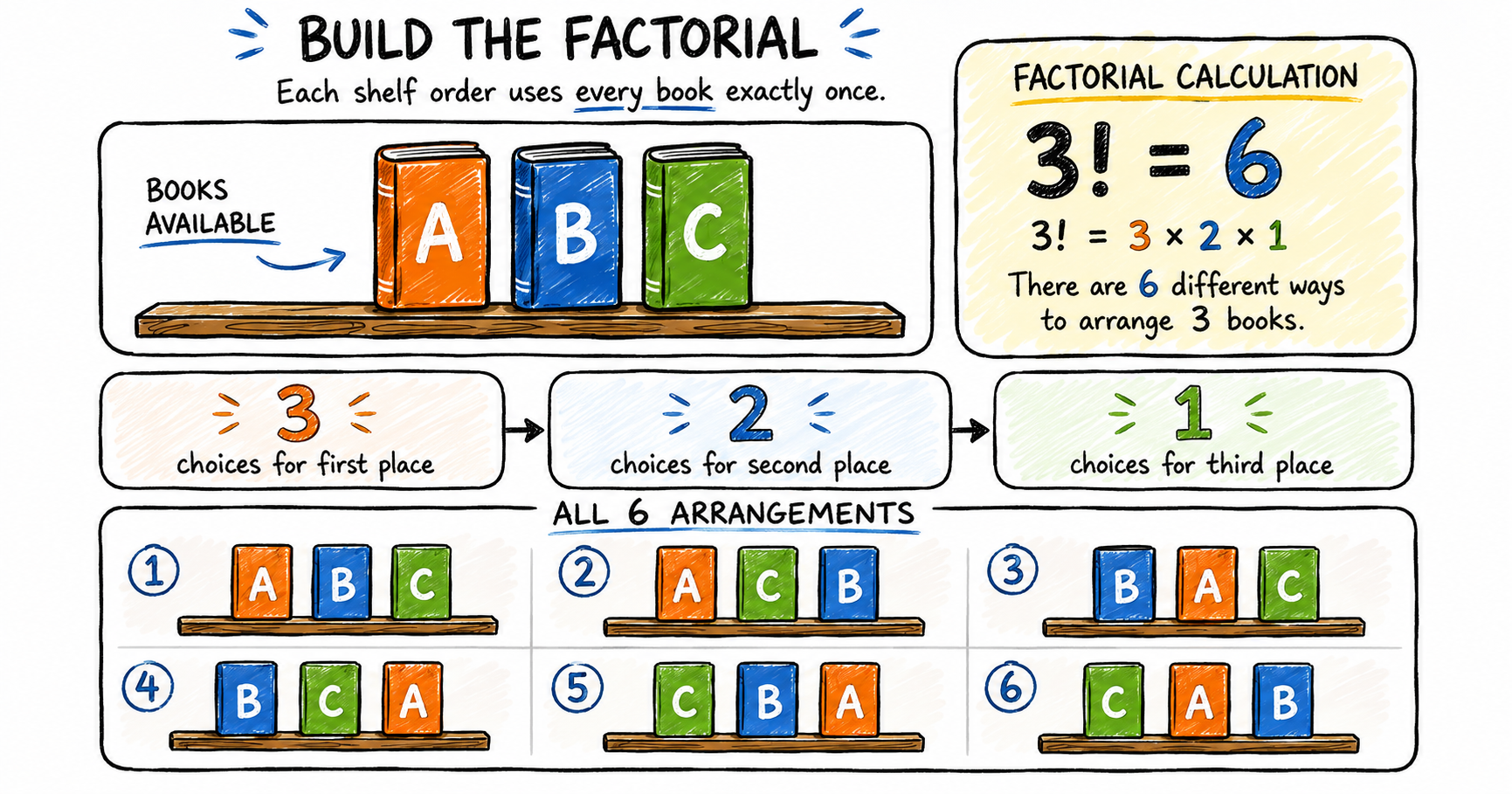
How Many Ways Can You Arrange Books? A Fun Look at Factorial!

Scribble-style educational infographic explaining factorials with three books labeled A, B, and C, showing 3!=3×2×1=6 and all six possible arrangements of the books.

How many different ways can books be placed on a shelf? Explore factorials visually by changing the number of books, following the multiplication pattern, and browsing every possible arrangement. How to use the factorial book arranger Choose between one and six books. The activity calculates the factorial and displays the unique shelf orders in manageable … Read more

Breadboard Basics: Learn Basic Electronics Step by Step

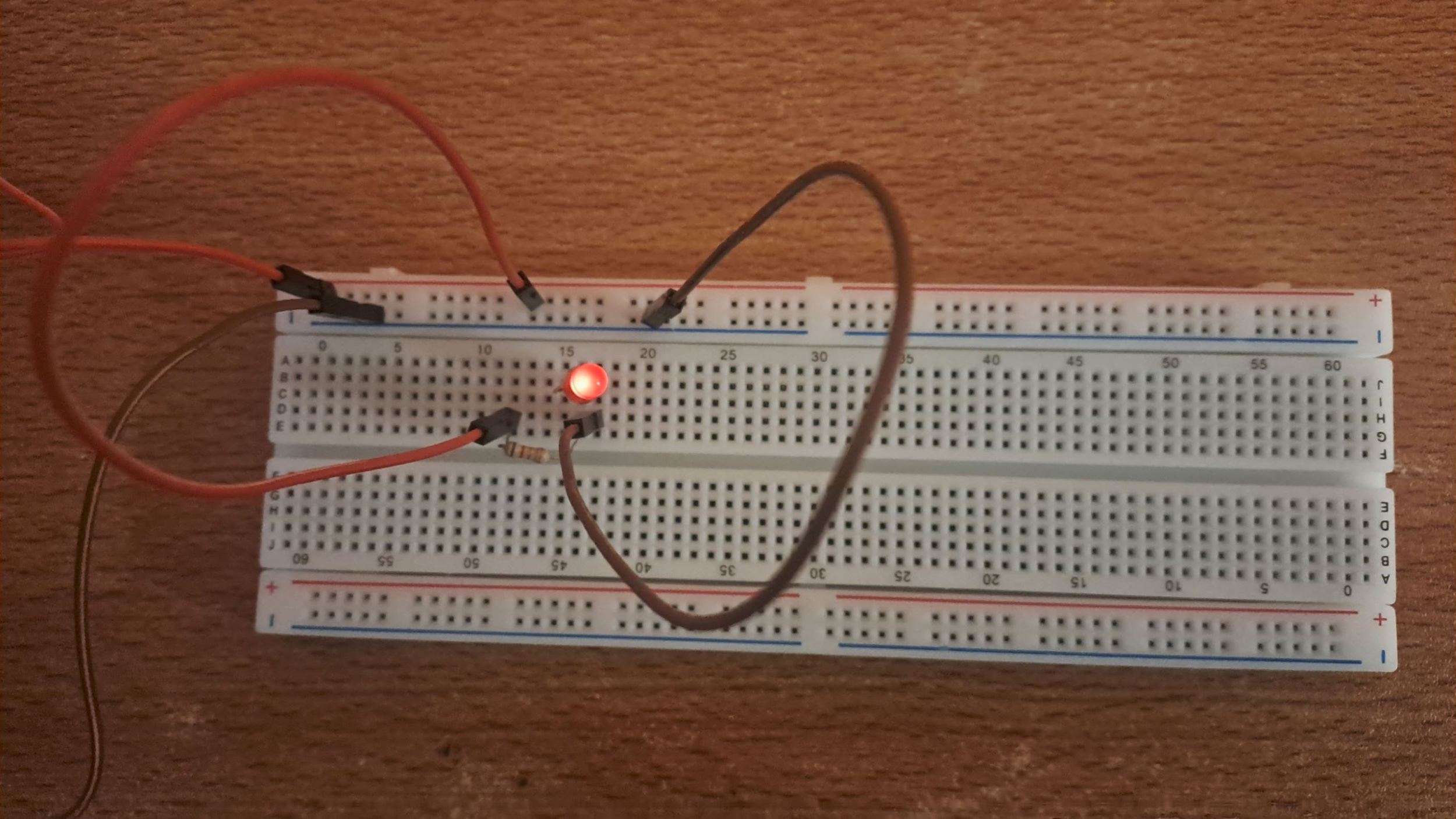
LED light bulb being light up on the breadboard.

If you’ve ever wanted to build your own electronic circuits—without soldering or ruining components—then a breadboard is the best choice. Simple, reusable, and surprisingly powerful, breadboards make learning electronics fun and hands-on. Let’s explore the breadboard basics, and why every beginner should start with one. What Is a Breadboard? A breadboard is a plastic board … Read more

How Do Mirrors Form Images? The Science Behind Reflections

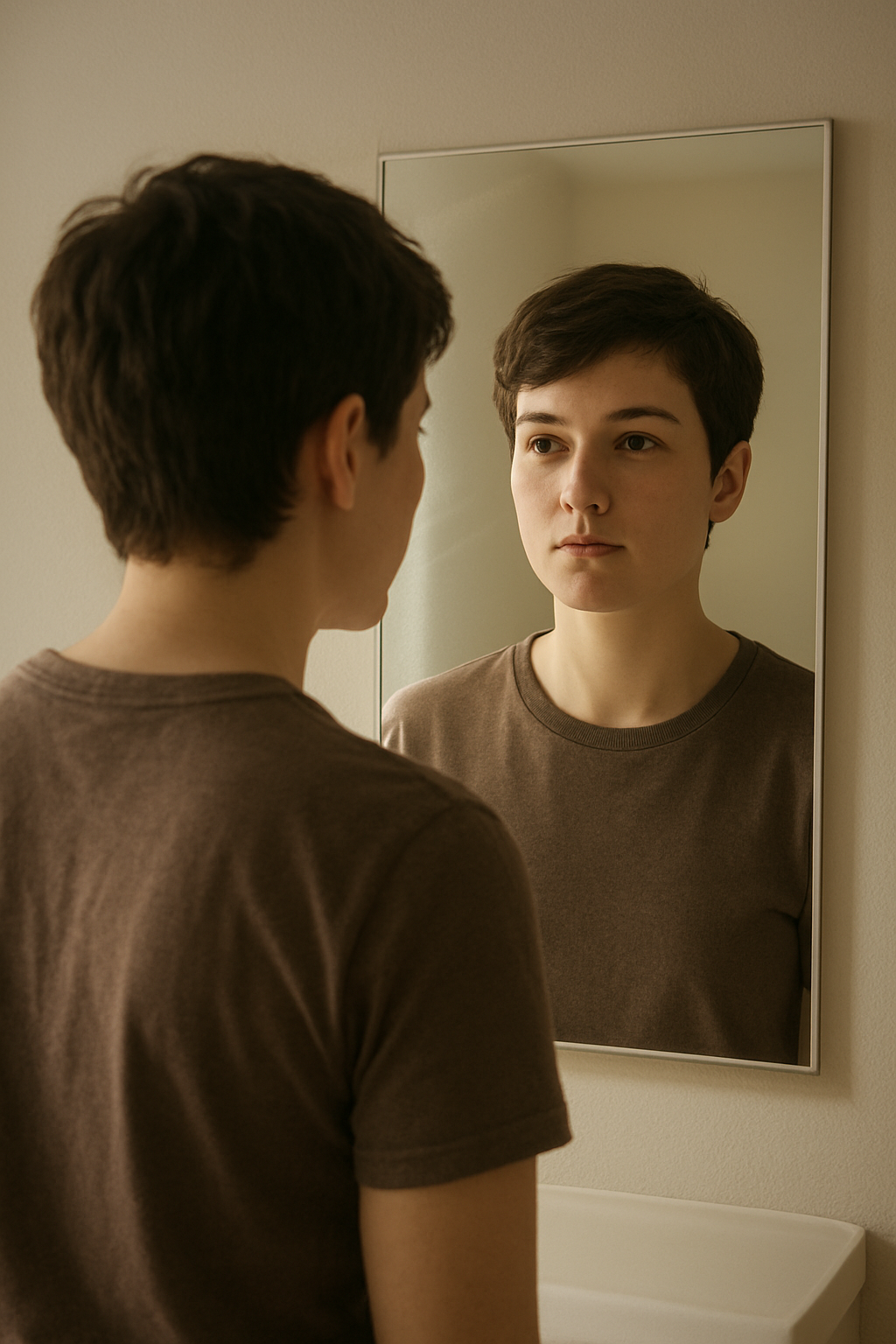
A boy is looking into the mirror seeing himself.

Have you ever wondered how a mirror shows your exact face every morning? Mirrors seem magical, but they actually work through fascinating science involving materials and light behavior. Let’s explore how mirrors form images, what they are made of, and the optical principles that make reflections possible. The Science of Reflection When light hits any … Read more

Understanding Waves Superposition with this Interactive Tool

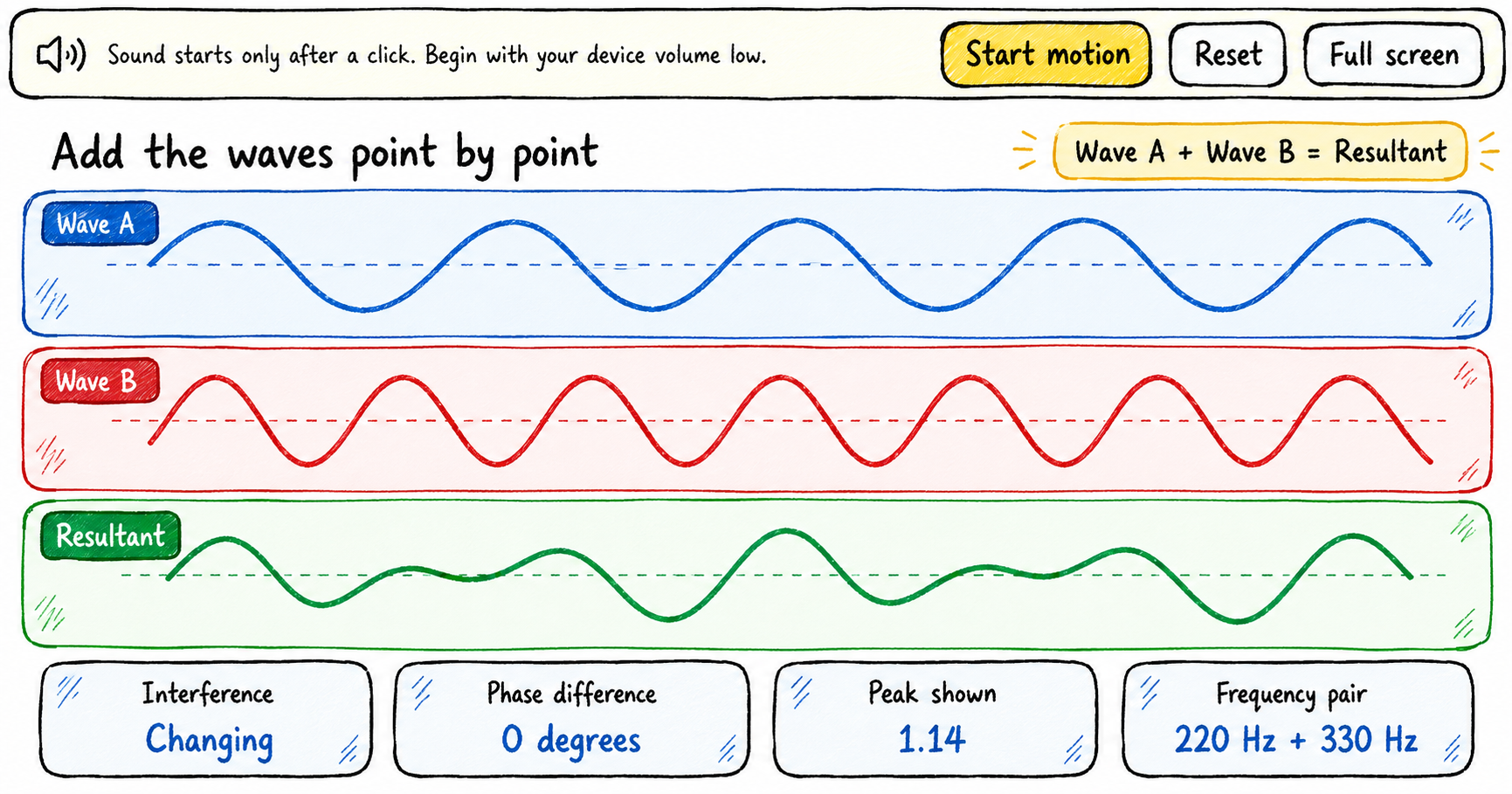
Scribble-style educational infographic demonstrating wave superposition and interference, showing blue Wave A, red Wave B, and their green resultant wave, with a 0° phase difference, changing interference, and a frequency pair of 220 Hz and 330 Hz.

Explore the superposition of waves by changing the frequency, amplitude, and phase of two waves, then observing how their displacements combine to form a resultant wave. How to use the superposition of waves tool The explorer displays Wave A, Wave B, and their resultant in three aligned graphs. Begin with a quick experiment or build … Read more

How Do Noise Cancelling Headphones Work? The Science Behind the Silence

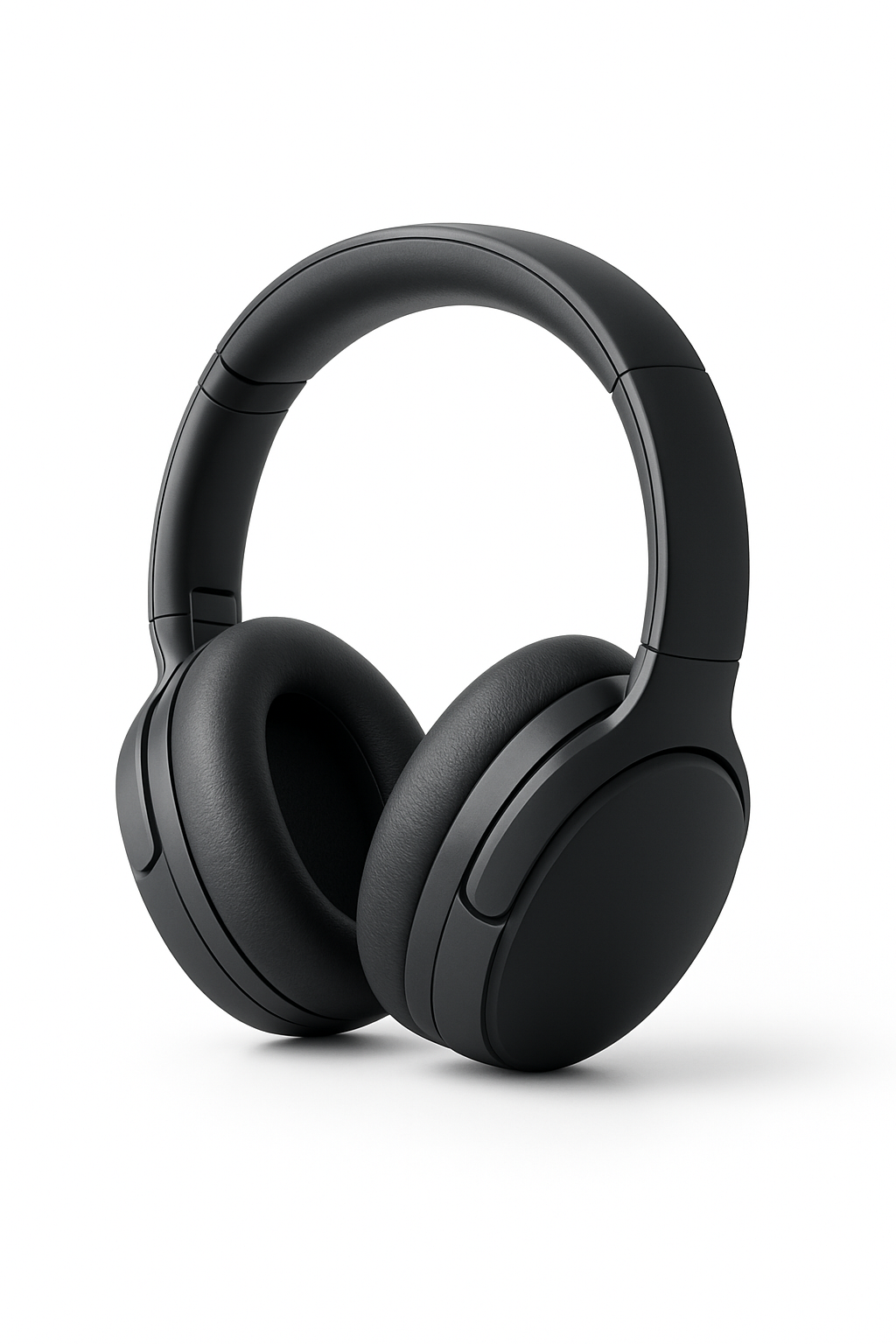
The picture of Noise Cancelling Headphones against white background.

In a world filled with constant noise—traffic, office chatter, and everyday hustle—noise-cancelling headphones have become one of the most popular gadgets for work, travel, and relaxation. But how do these magical devices block out unwanted sounds? The answer lies in clever engineering and fascinating physics. Before we delve straight into the answer, lets first look … Read more

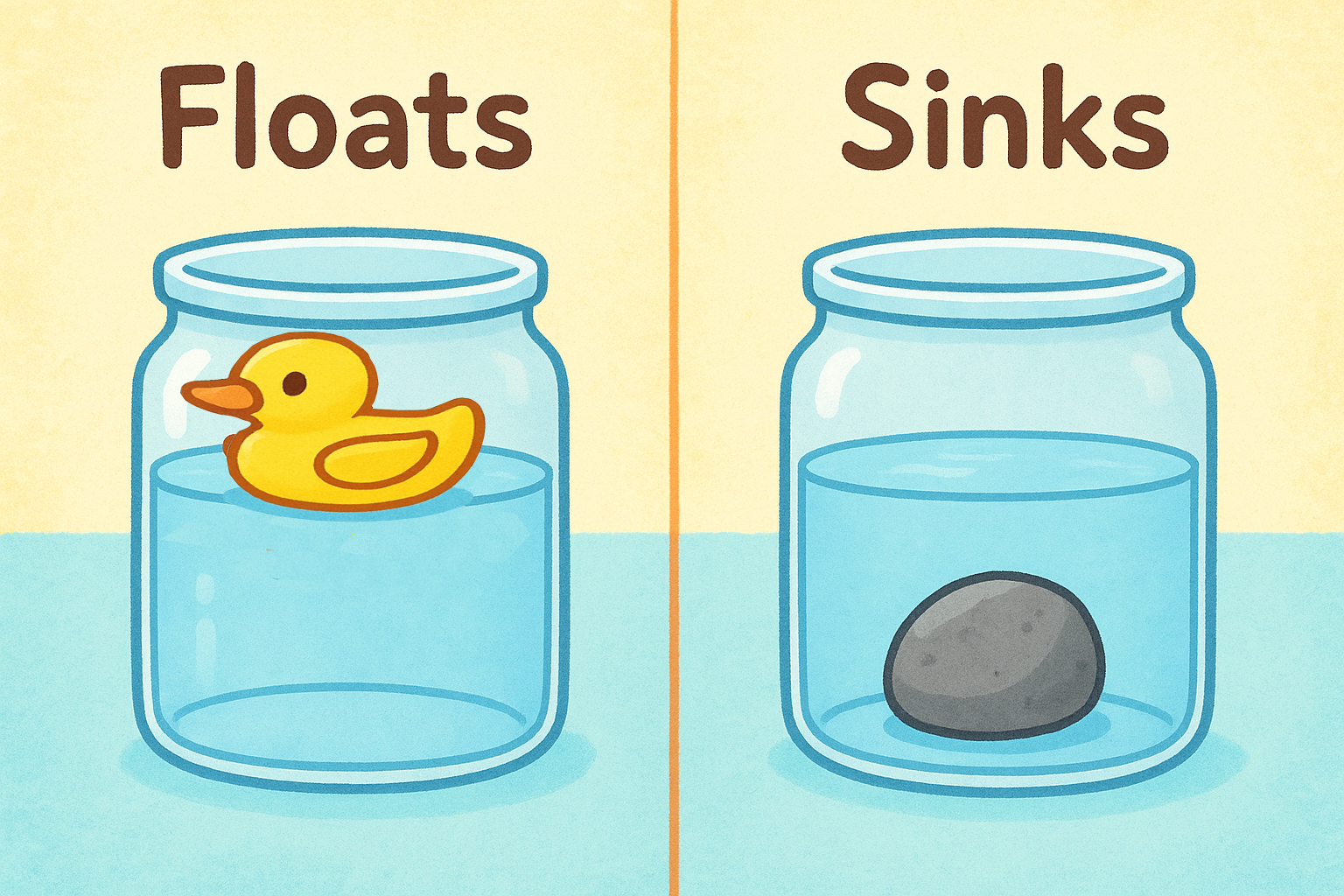
Why some objects sink while others float in water?

Float and Sink

Whether something is going to sink or float in water depends on the density of the object in water and the density of the water. Density is a measure of how much mass  is packed into a certain unit of volume. In short density is mass per unit of volume. The condition of sink and … Read more

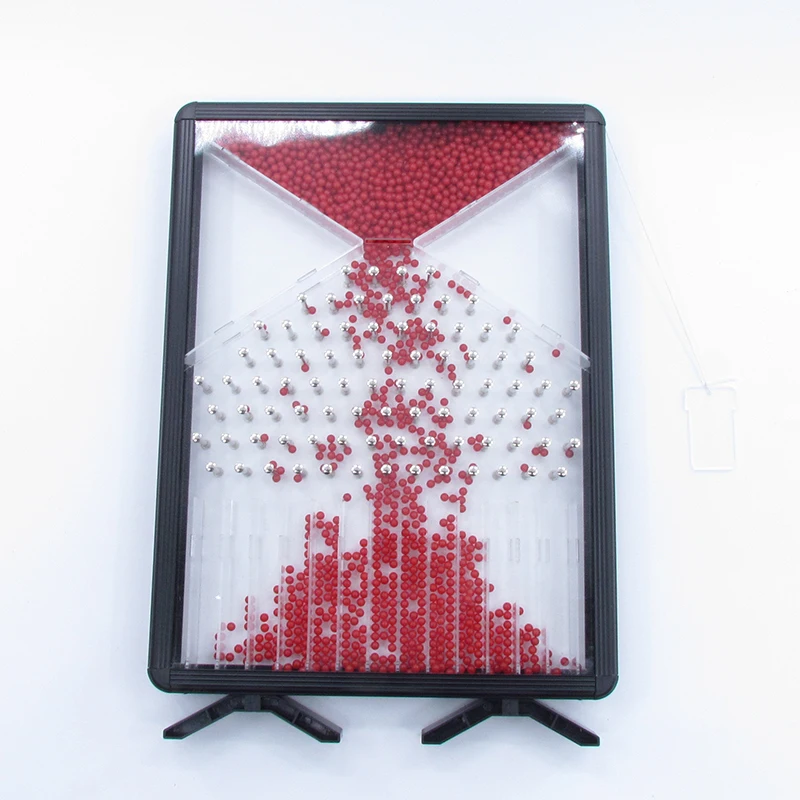
Galton Board: Understanding Probability in a Fun and Visual Way

Picture of a Galton Board.

Have you ever seen tiny balls falling through a triangle of pegs and collecting in bins at the bottom, forming a perfect bell-shaped curve? That fascinating device is called a Galton Board — also known as a Quincunx or Bean Machine. Invented by Sir Francis Galton in the 19th century, this clever machine offers a … Read more

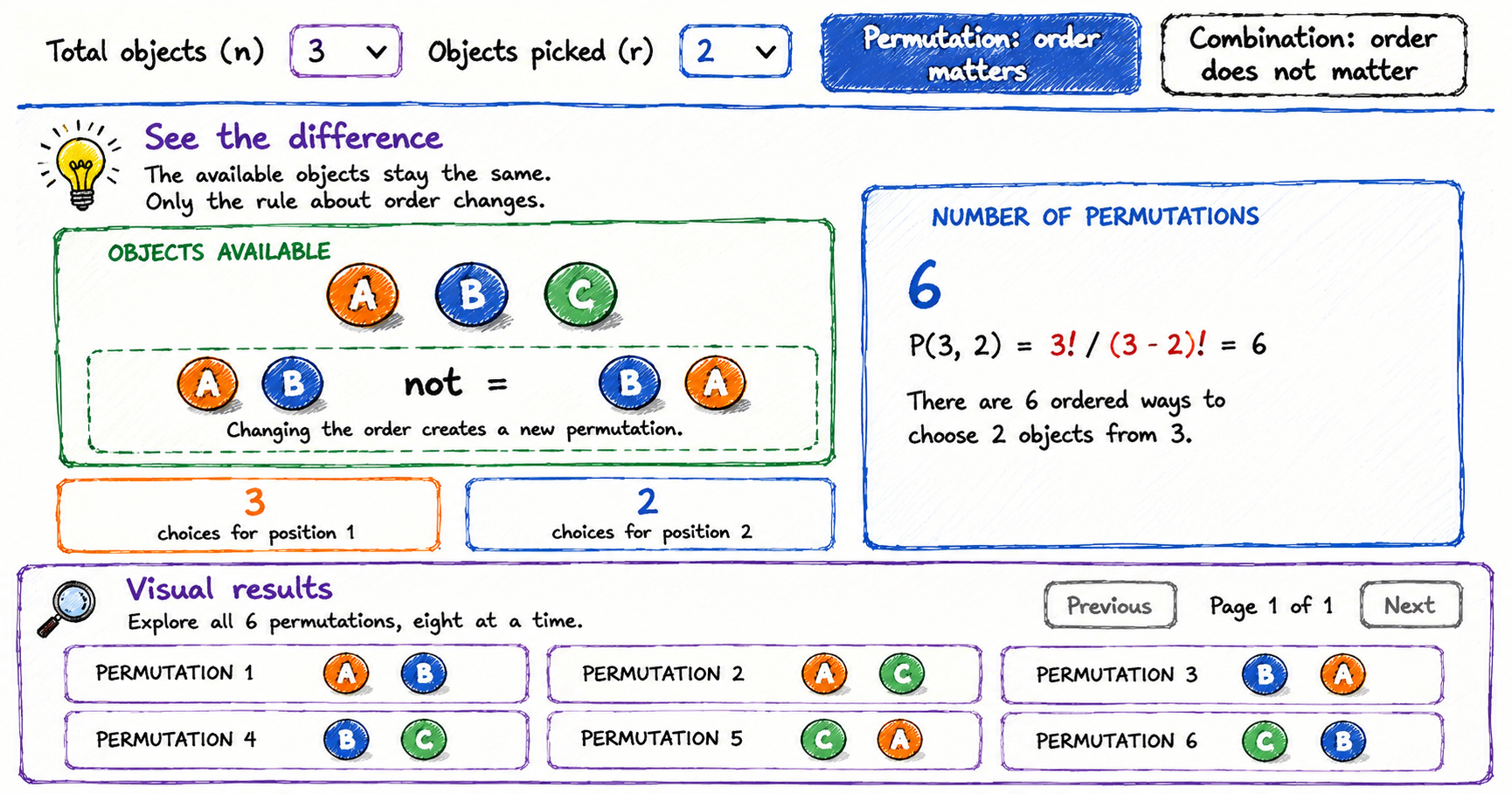
Exploring Permutations and Combinations: A Simple Visual Guide for Students

Scribble-style educational infographic explaining permutations with three objects, A, B, and C, showing that order matters, the formula P(3,2)=6, and all six possible ordered pairs.

This permutations versus combinations interactive tool helps students count selections, arrangements, and possibilities. Explore exactly how the answer changes when order matters or does not matter. How to use the permutations versus combinations interactive tool Choose the total number of objects, choose how many will be picked, then compare the two counting methods. 1 Choose … Read more